Congress Condemns PM Modi's Stance on Netanyahu Amid Global Scrutiny
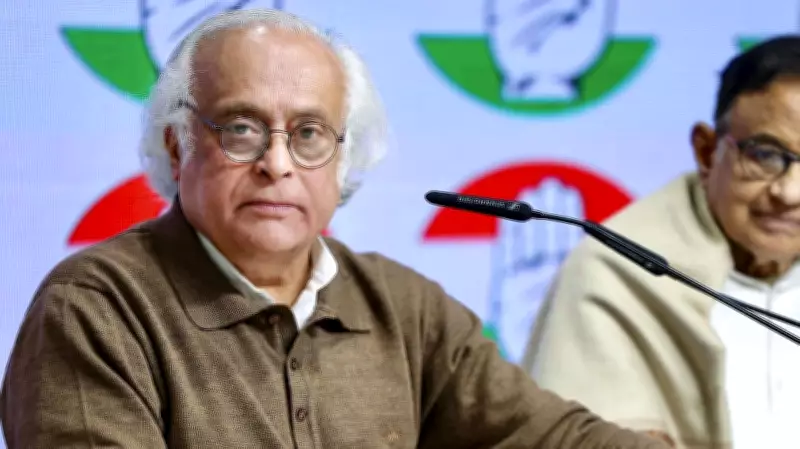
The Indian National Congress has launched a sharp critique against Prime Minister Narendra Modi, accusing him of displaying what they term as "moral cowardice" in the face of widespread international criticism directed at Israeli Prime Minister Benjamin Netanyahu. This political accusation comes at a time when global diplomatic circles are increasingly vocal about Netanyahu's policies and actions.
A Charge of Silence in Critical Times
According to statements released by Congress officials, the party asserts that while numerous world leaders and international bodies have openly criticized Netanyahu, PM Modi has maintained a conspicuous silence. The Congress claims this lack of condemnation from the Indian Prime Minister reflects a failure to uphold moral and ethical standards on the global stage. They argue that in an era where human rights and democratic values are under scrutiny, India's leadership should not shy away from taking a principled stand.
The context of this accusation is rooted in recent geopolitical developments, where Netanyahu's government has faced backlash over various issues, including military actions and domestic policies. The Congress highlights that many countries, including some of India's traditional allies, have not hesitated to express their concerns, making Modi's silence all the more glaring.

Implications for India's Foreign Policy
This criticism from the Congress touches upon broader themes in India's foreign policy approach. The party suggests that by not aligning with global criticism of Netanyahu, PM Modi might be prioritizing strategic bilateral relations over moral imperatives. They point out that India has historically positioned itself as a champion of justice and peace, and any deviation from this could tarnish its international reputation.
Furthermore, the Congress emphasizes that such a stance could have domestic repercussions, potentially alienating segments of the Indian populace who are sensitive to issues of human rights and international justice. They call for a more transparent and values-driven foreign policy that does not compromise on ethical grounds.
Political Reactions and Broader Debate
The accusation has sparked a heated debate within Indian political circles. Supporters of the government defend PM Modi's approach, arguing that diplomacy often requires nuanced silence rather than public condemnation to maintain strategic partnerships. They contend that India's national interests, particularly in terms of security and economic ties with Israel, must take precedence.
However, the Congress remains steadfast in its critique, urging the Prime Minister to break his silence and join the global chorus of criticism against Netanyahu. They list several key points in their argument:
- The importance of moral leadership in international relations.
- The need for India to uphold its democratic values abroad.
- The potential risks of being perceived as indifferent to human rights issues.
- The historical context of India's stance on global conflicts.
As this political narrative unfolds, it underscores the ongoing tension between realpolitik and ethical diplomacy in India's foreign policy framework. The Congress's allegations add a new layer to the discourse on how India navigates complex international relationships while staying true to its foundational principles.