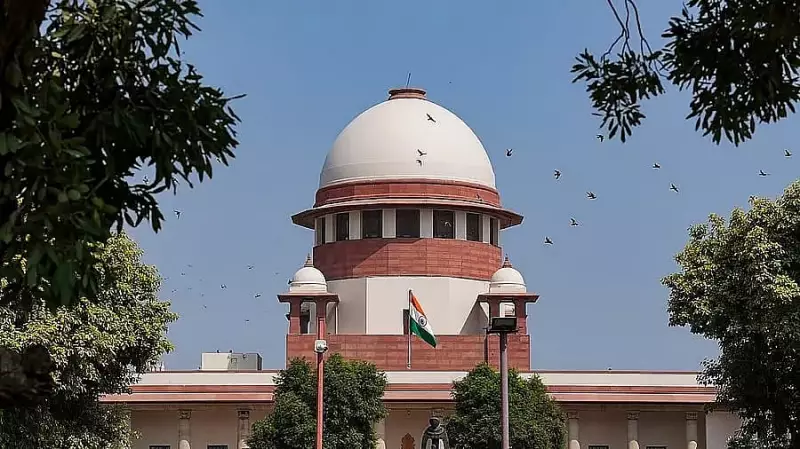
The Supreme Court of India has stepped in following serious allegations of custodial misconduct in Uttar Pradesh. The apex court has agreed to examine a plea filed by a woman lawyer who has accused personnel at a police station in Noida of sexually assaulting her while she was in custody.
Court Directs Immediate Preservation of Evidence
A bench comprising Justices Vikram Nath and N V Anjaria took cognizance of the matter on December 19, 2025. In a crucial interim order, the court issued a formal notice on the petition. More significantly, it directed the Commissioner of Police of Gautam Buddha Nagar district to take immediate steps to ensure that critical evidence is not tampered with.
The bench specifically ordered that the CCTV camera footage from the concerned police station for the relevant duration must not be deleted or destroyed. To maintain a proper chain of custody and prevent any potential manipulation, the court mandated that this footage be kept securely in a sealed cover.

Allegations and Legal Recourse
The case stems from a distressing incident where the complainant, a practicing advocate, alleges she was subjected to sexual assault within the premises of the police station. The plea highlights grave concerns about the safety and security of individuals, especially women, in police custody. By moving the Supreme Court directly, the lawyer seeks a fair and impartial investigation into the incident, arguing that local mechanisms may be compromised.
The Supreme Court's prompt intervention to secure the CCTV footage is seen as a vital step to ensure transparency. Electronic evidence like CCTV recordings often serves as an unbiased witness in such contentious cases, and its preservation is paramount for uncovering the truth.
Broader Implications for Police Accountability
This incident has once again brought the issue of police accountability and custodial safety into sharp focus. The Supreme Court's order underscores the judiciary's role as a protector of citizens' rights against potential abuse of power. The directive to a senior police officer to personally ensure evidence preservation places responsibility at a high level, aiming to deter any obstruction.
The development is being closely watched, as its outcome could have significant implications for protocols surrounding detention and the treatment of individuals in police lock-ups across the country. The next steps in the legal proceeding will determine the course of the investigation and potential accountability for those found responsible.