

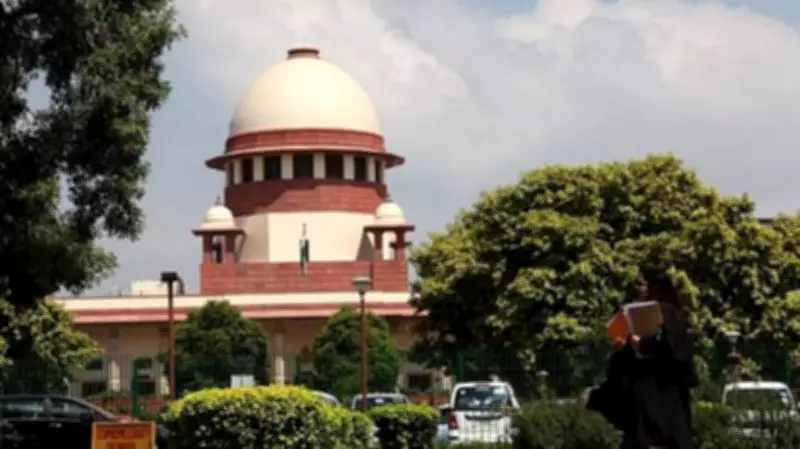
Supreme Court Issues Notice to Centre Over Fresh Challenge to 2023 Data Protection Law
The Supreme Court of India has taken a significant step by issuing a formal notice to the Central government in response to a new petition that directly challenges specific provisions of the Digital Personal Data Protection Act of 2023. This legal development underscores the ongoing judicial scrutiny of India's evolving data privacy framework and its potential intersections with existing transparency laws.
Details of the Fresh Legal Petition
The petition, which has prompted the Supreme Court's action, presents a focused argument regarding the application of the 2023 data protection law. Specifically, the plea seeks a clear judicial direction to declare that the provisions of the Digital Personal Data Protection Act, 2023, shall not apply to the processing, analysis, dissemination, or re-publication of personal data that has been lawfully accessed under the Right to Information (RTI) Act of 2005.
This legal move highlights a critical tension between two legislative pillars: the RTI Act, which promotes government transparency and public access to information, and the newer data protection law, which aims to safeguard individual privacy in the digital age. The petitioner argues that applying the 2023 Act's restrictions to data obtained through RTI could undermine the fundamental objectives of transparency and accountability enshrined in the older legislation.

Implications for Data Governance and Public Information
The Supreme Court's decision to issue a notice indicates that the judiciary recognizes the importance of clarifying how these two laws interact. Legal experts suggest that this case could set a precedent for balancing privacy rights with the public's right to know, especially in contexts where personal data is involved in matters of public interest.
If the petition succeeds, it could create a specific exemption within the data protection framework, ensuring that information disclosed under the RTI Act remains accessible for further use without being hindered by the stricter privacy rules of the 2023 Act. Conversely, upholding the application of the data protection law to such data might reinforce privacy safeguards but potentially at the cost of limiting informational transparency.
Broader Context and Next Steps
This legal challenge comes at a time when India is actively implementing its data protection regime, with the 2023 Act being a cornerstone of digital governance. The Supreme Court's notice requires the Centre to respond, setting the stage for detailed arguments from both sides. The outcome of this case could influence how government agencies, journalists, researchers, and citizens handle personal data obtained through RTI requests, shaping practices in data management and public accountability.
As the proceedings advance, stakeholders from various sectors will be closely monitoring the developments, given the far-reaching consequences for data privacy, freedom of information, and legal compliance in India's digital landscape.






