Supreme Court Issues Notice to Centre Over Plea for Son's Mortal Remains from Dubai
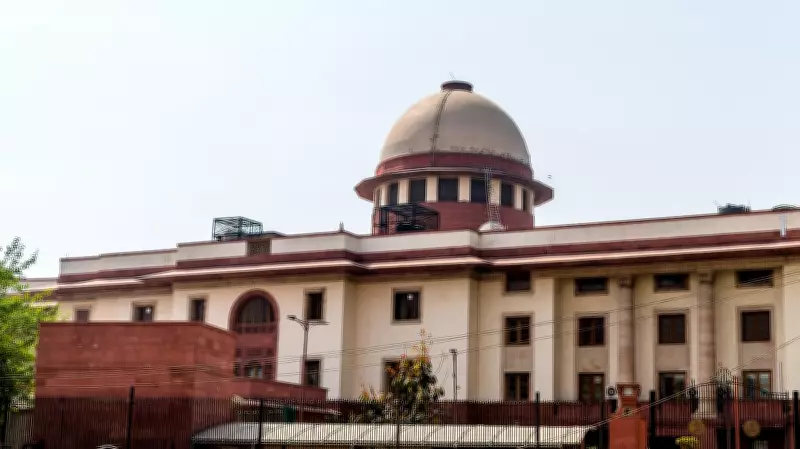
The Supreme Court of India has taken a significant step by issuing a formal notice to the Central Government in response to a heartfelt plea from a grieving mother. The woman is seeking to bring back the mortal remains of her son from Dubai, where he tragically passed away. This legal action highlights a distressing case involving the handling of a death abroad without proper family involvement.
Details of the Case and the Mother's Anguish
According to the plea filed in court, the mother received a devastating call from the Indian embassy in Dubai on February 4, 2026. The embassy confirmed the death of her son, delivering the heartbreaking news that he had been cremated in Dubai without informing any family members. This lack of notification has compounded the family's grief, leaving them without the opportunity to perform last rites or say a proper goodbye.
The Supreme Court's notice directs the Centre to respond to the plea, which raises critical questions about the protocols followed in such international incidents. The court is examining whether proper procedures were adhered to by authorities in Dubai and if the family's rights were respected during this difficult time.

Legal and Emotional Implications of the Incident
This case underscores the emotional turmoil faced by families when a loved one dies overseas, especially when communication breakdowns occur. The mother's plea emphasizes the need for transparency and sensitivity in handling mortal remains, ensuring that families are informed and involved in decisions post-mortem.
The Supreme Court's intervention could set a precedent for how similar cases are managed in the future, potentially leading to improved guidelines for Indian embassies and consulates abroad. It also brings attention to the broader issue of cross-border death management and the legal responsibilities of governments in such scenarios.
Next Steps and Broader Context
As the Centre prepares its response, the legal community and public await further developments. This incident has sparked discussions on the importance of clear communication channels between embassies and families during emergencies abroad.
The case is a poignant reminder of the challenges faced by Indian citizens living overseas and their families back home. It highlights the necessity for robust support systems to assist in times of crisis, ensuring that dignity and respect are maintained for the deceased and their loved ones.