

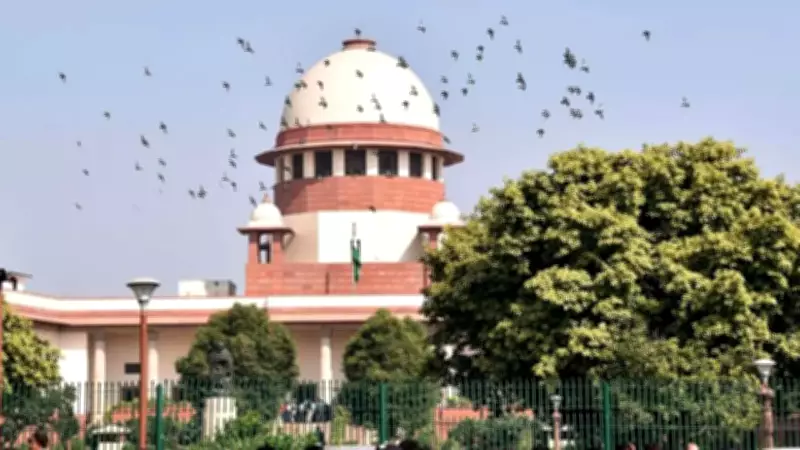
Supreme Court Delivers Landmark Ruling on OBC Creamy Layer Determination
The Supreme Court of India issued a significant judgment on Thursday, clarifying that the classification of a candidate as belonging to the creamy layer or non-creamy layer within the Other Backward Classes (OBC) category cannot be determined based solely on income criteria.
Court's Key Observation on Legal Sustainability
In its ruling, the apex court explicitly stated that relying exclusively on income brackets for creamy layer determination is legally untenable. The bench emphasized that such an approach must incorporate broader social and occupational parameters to ensure fairness and accuracy.
The court observed: "Determination of creamy layer status solely on the basis of income brackets, without reference to the categories of posts and status parameters is clearly unsustainable in law."

Broader Implications for OBC Reservations
This judgment carries substantial implications for OBC reservation policies across India. By mandating a more comprehensive assessment framework, the Supreme Court has directed authorities to consider multiple factors beyond mere financial thresholds.
The ruling underscores that creamy layer identification should account for:
- Occupational status and nature of employment
- Social standing and community influence
- Educational advantages and access to resources
- Historical and systemic privileges beyond income
Legal Framework and Future Implementation
Legal experts suggest this decision will require government agencies and educational institutions to revise their current creamy layer assessment methodologies. The judgment reinforces that income alone cannot serve as the definitive marker for determining who should be excluded from OBC reservation benefits.
The Supreme Court's clarification comes amid ongoing debates about reservation policies and their implementation. This ruling is expected to influence pending cases and future legislation concerning OBC classification and affirmative action programs throughout the country.






