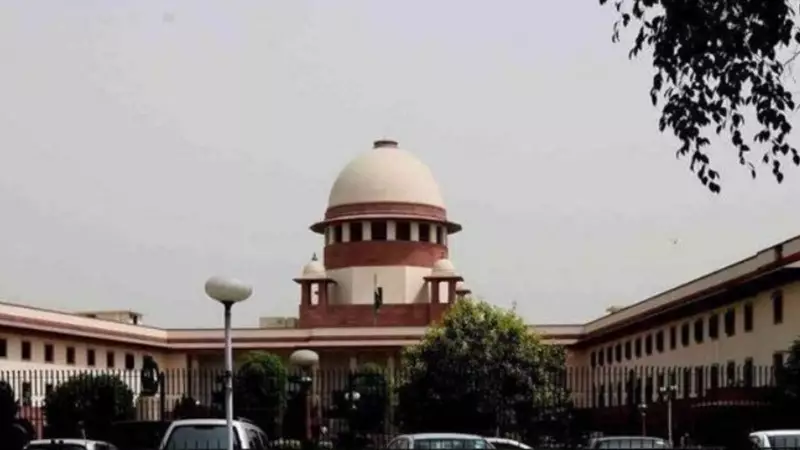
The Supreme Court of India has delivered a stinging rebuke to the Maharashtra state authorities and ordered a high-level inquiry after discovering that an undertrial prisoner was not produced before a trial court for a staggering 55 hearing dates. The bench, expressing profound shock, emphasized that this failure represented a grave violation of a fundamental legal safeguard for prisoners.
A Shocking Failure of Procedure
The apex court was hearing the bail application of Shashi Jurmani, who has spent over four years behind bars. His case originates from Ulhasnagar in Maharashtra's Thane district and involves allegations of assaulting a police constable who died two months later. During the proceedings, Jurmani's lawyer, Sana Raees Khan, revealed a disturbing pattern: out of 85 hearing dates before the Kalyan court, the accused was produced only on 30 occasions.
Justice Ahsanuddin Amanullah and Justice Prashant Kumar Mishra, in their order dated December 2, 2025, did not mince words. They stated that the production of an accused before the court is a critical safeguard to ensure a speedy trial and to protect the prisoner from potential abuse. The bench found the infraction of this rule to be "appalling and shocking" and explicitly deprecated the conduct of the state authorities.
Directive for a Personal Inquiry
Taking serious note of the systemic lapse, the Supreme Court directed the Director General of Prisons, Maharashtra, or the designated head of the Department of Prisons, to conduct a personal inquiry. The court's order was unequivocal in warning against any attempt to shield the responsible officials.
"It is made clear that if any attempt is made to protect or shield any person, the Director General of Prisons/Head of department of prisons to whom we are entrusting the inquiry, shall be personally held responsible for the same," the bench asserted. The inquiry report must be submitted within two months, by the next scheduled hearing in February 2026.
Bail Granted Amidst Procedural Lapses
On the merits of Jurmani's bail plea, the Supreme Court found grounds for his release. His lawyer argued that there was no evidence, including testimony from the deceased constable, specifically identifying Jurmani as the assailant. The court also noted that a co-accused with a similar alleged role had already been granted bail.
This case has thrown a harsh spotlight on the administrative failures within the prison and court production system in Maharashtra. The Supreme Court's strong intervention underscores the judiciary's role in upholding the procedural rights of undertrial prisoners, which are essential to the integrity of the justice system itself.