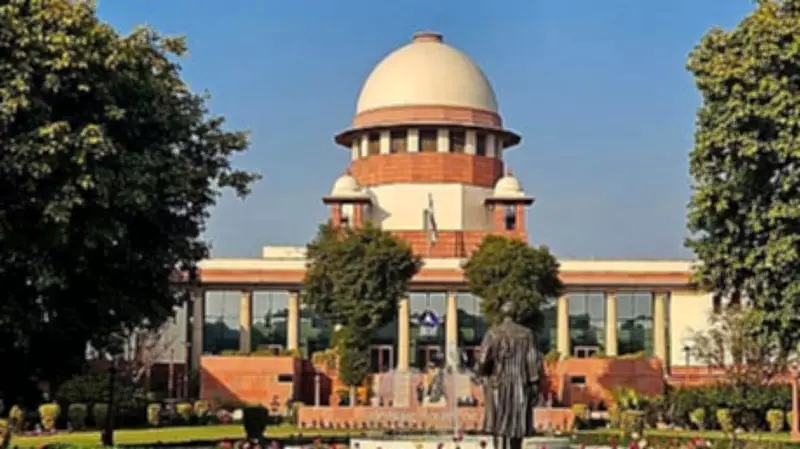
Supreme Court Rules Parliament Not Bound by Centre's Undertaking on Sedition Law
In a landmark decision, the Supreme Court of India has clarified that Parliament is not bound by any undertaking given by the Centre before the court regarding the reintroduction of the sedition law. This ruling addresses the contentious issue surrounding the Bharatiya Nyaya Sanhita, which has provisions akin to the erstwhile sedition law under Section 124A of the Indian Penal Code.
Judicial Caution on New Legislation
The Supreme Court bench emphasized that courts should allow new laws to operate for a few years and examine their practical implementation before considering judicial interference. This stance underscores a principle of judicial restraint, aiming to provide legislative bodies the space to enact and test laws without premature intervention from the judiciary.
The bench highlighted that such an approach ensures that laws are given a fair chance to demonstrate their efficacy and impact on society. It reflects a broader judicial philosophy of balancing the separation of powers between the legislature and the courts.
Background and Implications
The case stems from the Centre's earlier undertaking to keep the sedition law in abeyance, which was challenged in light of the new provisions under the Bharatiya Nyaya Sanhita. The Supreme Court's ruling now paves the way for Parliament to potentially reintroduce or modify sedition-related provisions without being constrained by past assurances made by the executive branch.
This decision has significant implications for India's legal framework, as it reinforces parliamentary sovereignty in lawmaking. It also sets a precedent for how courts interact with new legislation, promoting a period of observation before judicial review.
Legal experts note that this ruling could influence future cases involving the interpretation of undertakings and commitments made by the government in court proceedings. It underscores the dynamic nature of India's constitutional democracy, where each branch of government operates within its designated sphere.
As the debate on sedition laws continues, this Supreme Court judgment is expected to shape discussions on free speech, national security, and the role of the judiciary in safeguarding democratic principles. The court's advice to allow laws to operate before interference aims to foster a more measured and evidence-based approach to legal challenges.