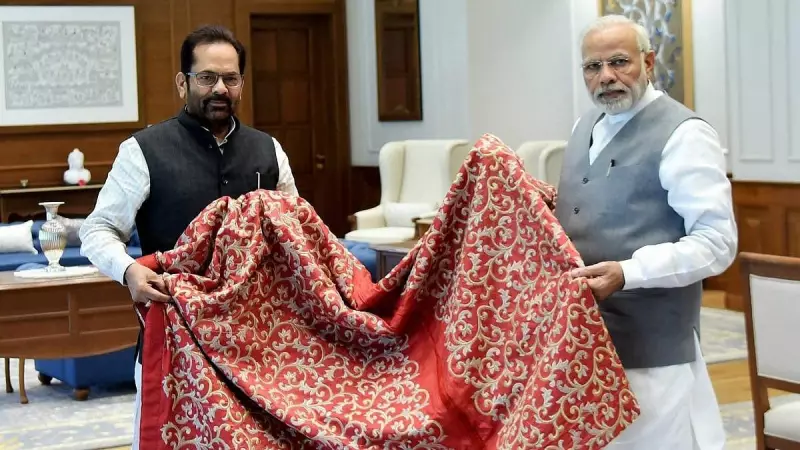
The Supreme Court of India was recently presented with a plea that has sparked significant public and legal interest. The petition seeks an order to restrain Prime Minister Narendra Modi from offering a ceremonial 'chadar' at the revered Ajmer Sharif Dargah.
Petitioners Approach the Apex Court
The plea was filed by petitioners, including one named Jitender Singh, and was mentioned before the top court. During the hearing, the bench directed the counsel representing the petitioners, advocate Barun Sinha, to formally approach the court's Registry. This procedural step is typically required for the official listing and further processing of the petition.
The development, which was reported by the news agency PTI, took place on 22 December 2025. The court's response indicates that the matter will follow the standard legal protocol before any substantive hearing can occur on the merits of the plea.

Context and Significance of the Dargah Visit
The Ajmer Sharif Dargah is one of the most prominent Sufi shrines in the world, attracting millions of devotees from various faiths every year. The act of offering a 'chadar' (a sacred cloth covering) is a deeply symbolic gesture of respect and devotion. Visits by political leaders to such religious sites are often seen as significant, carrying both cultural and political weight.
The petition to restrain the Prime Minister from performing this ritual raises questions that sit at the intersection of law, religion, and statecraft. While the specific grounds cited in the plea have not been detailed in the initial report, such petitions often invoke constitutional principles.
Legal Procedure and Next Steps
By asking the petitioners to approach the Registry, the Supreme Court has ensured the plea enters the formal judicial system. The Registry will examine the petition for compliance with procedural rules before it can be listed for an admission hearing. At that stage, the court will decide whether to issue a formal notice to the government and the Prime Minister's office or to dismiss the plea at the threshold.
This case is likely to be watched closely, as it touches upon the conduct of high constitutional functionaries in their public engagements. The Supreme Court's eventual decision, whether on procedural or substantive grounds, will be a key moment in this unfolding legal narrative.