Supreme Court Petition Challenges RTI Act Amendment via Data Protection Law
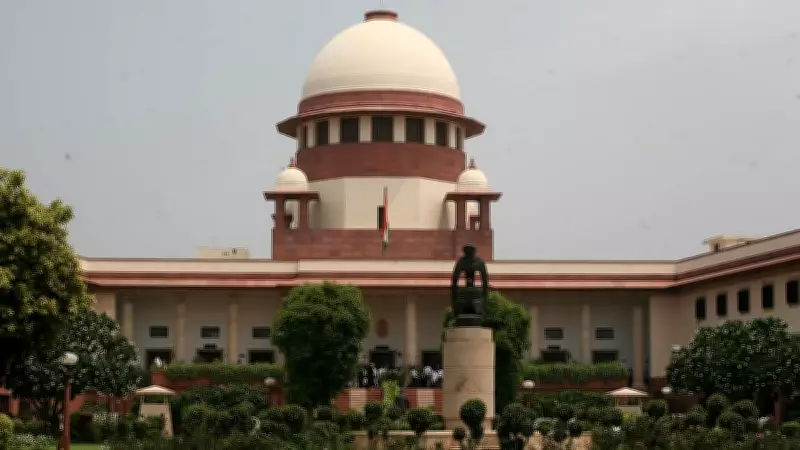
A significant legal challenge has been mounted in the Supreme Court of India against a recent amendment to the Right to Information (RTI) Act, which was introduced through data protection legislation. The plea, filed by prominent advocate Prashant Bhushan, contends that this amendment fundamentally undermines the constitutional right to information.
Details of the Legal Challenge
The petition specifically targets an amendment that came into effect on November 13, 2025. According to the plea, this legislative change strikes at the very core of the fundamental right to information as enshrined under Article 19(1)(a) of the Indian Constitution. The amendment was incorporated through data protection laws, raising concerns about its impact on transparency and accountability in governance.
Prashant Bhushan, known for his work on public interest litigation, has argued that the amendment could severely restrict citizens' access to information. The plea emphasizes that the right to information is a cornerstone of democratic functioning, enabling public scrutiny and informed participation in governance processes.

Constitutional and Legal Implications
The legal challenge highlights several critical issues:
- Violation of Fundamental Rights: The petition asserts that the amendment infringes upon the fundamental right to freedom of speech and expression, which includes the right to information.
- Impact on Transparency: By amending the RTI Act through data protection provisions, there are fears that it could create barriers to accessing government information.
- Legal Procedure Concerns: The method of introducing the amendment via data protection law has been questioned, with arguments about proper legislative scrutiny and public consultation.
The Supreme Court is now tasked with examining whether this amendment aligns with constitutional principles. The outcome could have far-reaching implications for how information rights are balanced with data privacy concerns in India.
Broader Context and Reactions
This development comes amid ongoing debates about data protection and transparency in India. The RTI Act, enacted in 2005, has been instrumental in empowering citizens to seek information from public authorities. Any changes to this law are closely watched by activists, legal experts, and the general public.
The petition filed by Prashant Bhushan is expected to draw significant attention from civil society organizations and transparency advocates. It underscores the tension between protecting personal data and ensuring governmental accountability, a balance that many democracies are grappling with in the digital age.
As the Supreme Court considers this plea, stakeholders await a ruling that could shape the future of information rights in India. The case highlights the enduring importance of judicial oversight in safeguarding constitutional freedoms against legislative changes.