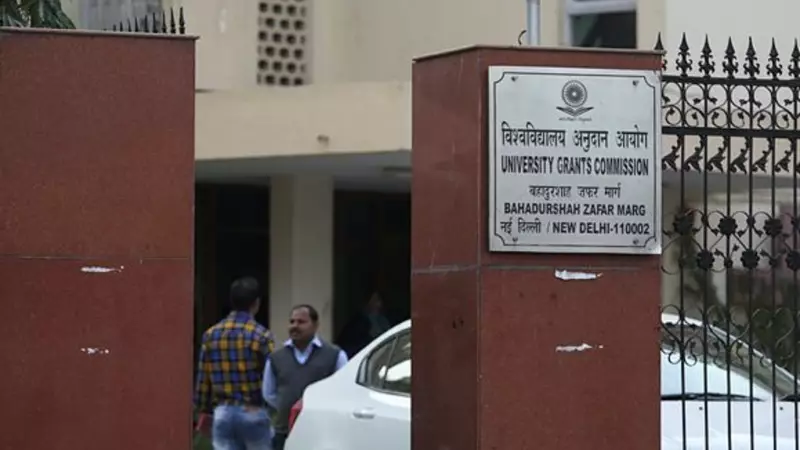
Supreme Court Petition Challenges UGC's 2026 Caste Discrimination Definition
A significant legal challenge has emerged against the University Grants Commission's (UGC) 2026 regulations concerning caste discrimination. A fresh plea has been filed in the Supreme Court of India, directly contesting the specific definition and provisions outlined in these new educational guidelines.
Constitutional Concerns Raised Over Exclusionary Provisions
The petition argues that the current formulation of the caste discrimination provision within the UGC regulations is fundamentally flawed. According to the plea, the provision in its present "exclusionary form" establishes a problematic hierarchy of protection that may violate constitutional principles.
The legal challenge contends that this hierarchical approach to safeguarding against caste-based discrimination could potentially undermine the equal protection guarantees enshrined in the Indian Constitution. By creating tiers of protection, the regulations might inadvertently perpetuate the very inequalities they aim to address.
Broader Implications for Educational Equity
This Supreme Court intervention comes at a critical juncture for India's higher education system. The UGC's 2026 regulations were intended to provide clearer guidelines and stronger protections against caste discrimination across universities and educational institutions nationwide.
However, the petition suggests that instead of creating uniform protections, the current formulation might leave certain groups more vulnerable than others. This legal challenge raises important questions about how educational policies should balance specificity with inclusivity when addressing complex social issues like caste discrimination.
Potential Impact on Future Policy Implementation
The outcome of this Supreme Court case could have far-reaching consequences for:
- How educational institutions implement anti-discrimination policies
- The legal framework governing caste-based protections in academia
- Future revisions to UGC regulations and guidelines
- The interpretation of constitutional protections in educational settings
As the legal proceedings unfold, educational administrators, policy makers, and civil society organizations will be closely monitoring the Supreme Court's interpretation of these regulations. The case represents a crucial test of how India's legal system balances regulatory specificity with constitutional guarantees of equality and non-discrimination in the educational sphere.