

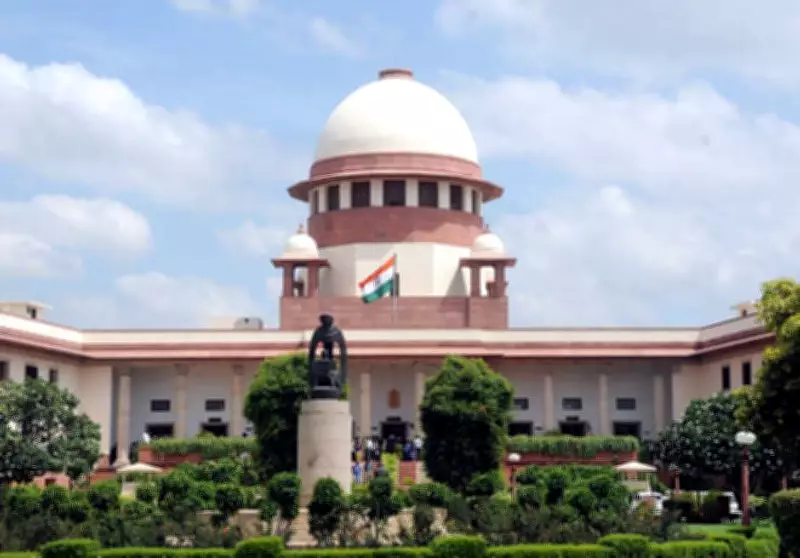
Supreme Court Petition Advocates for Specialized Revenue Judicial Service
A significant Public Interest Litigation (PIL) has been lodged with the Supreme Court of India, urging the establishment of a dedicated Revenue Judicial Service. This proposed body aims to specifically address and resolve the extensive backlog of land and property disputes that currently burden the nation's judicial system.
Addressing the Core Issue of Land Disputes
The PIL highlights the critical need for a specialized judicial framework to manage land-related conflicts, which are notoriously complex and time-consuming. These disputes often involve intricate matters of ownership, inheritance, and revenue records, leading to prolonged litigation that can span years or even decades. The petitioners argue that a separate Revenue Judicial Service, staffed by experts in land laws and revenue matters, would significantly enhance the efficiency and effectiveness of dispute resolution.
Proposed Structure and Benefits
The envisioned Revenue Judicial Service would operate as an independent entity within the broader judicial hierarchy. It would be empowered to handle a wide range of cases, including:

- Land acquisition disputes arising from government projects
- Property boundary conflicts between private parties
- Revenue record discrepancies affecting land titles
- Inheritance and succession issues related to agricultural and non-agricultural land
By centralizing expertise, this service is expected to reduce the caseload on regular civil courts, leading to faster judgments and decreased legal costs for all parties involved. The move is seen as a potential game-changer in streamlining judicial processes and providing timely justice to millions of citizens entangled in land disputes.
Current Challenges and the Path Forward
India's existing judicial system faces immense pressure, with land disputes constituting a substantial portion of pending cases. The PIL points out that the lack of specialized knowledge among generalist judges often results in delays and inconsistent rulings. Establishing a Revenue Judicial Service would not only alleviate this burden but also ensure that decisions are made by officials with deep understanding of relevant laws, such as the Land Acquisition Act and various state revenue codes.
The Supreme Court is now tasked with considering the merits of this petition. If accepted, it could pave the way for a major structural reform in India's judiciary, potentially setting a precedent for other specialized services in areas like commercial or environmental law. Legal experts view this as a proactive step towards modernizing the justice delivery system and addressing one of the most persistent sources of litigation in the country.






