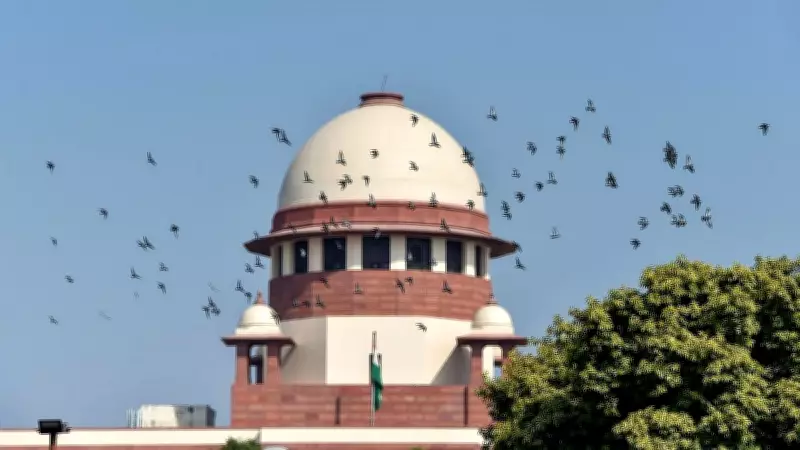
The Supreme Court of India has delivered a significant judgment affirming the powers of the President of India, in the capacity of Visitor of a university, to terminate the services of the first registrar. A bench comprising Justices P S Narasimha and Alok Aradhe observed that the exercise of such power was just and proper under the facts and circumstances of the case.
Background of the Case
The case pertained to the termination of the first registrar of a central university by the Visitor, who is the President of India. The decision was challenged on grounds of exceeding authority, but the Supreme Court upheld the Visitor's action. The bench stated, "In the facts and circumstances of the present case, the exercise of power by the Visitor appears to be just and proper."
Legal Implications
This ruling reinforces the Visitor's broad discretionary powers in administrative matters of universities, particularly concerning senior appointments. Legal experts note that this judgment clarifies the scope of the Visitor's authority under the relevant university statutes and the Constitution. The decision is expected to have implications for other central universities where the President serves as Visitor.

Court's Reasoning
The bench emphasized that the Visitor's powers are not arbitrary but must be exercised in accordance with the law and established procedures. In this case, the court found no procedural irregularities and deemed the termination justified. The judgment also highlighted the importance of maintaining discipline and accountability in higher educational institutions.
Reactions and Next Steps
The university administration has welcomed the verdict, stating it will aid in streamlining governance. Meanwhile, the affected registrar retains the right to seek further legal remedies. The Supreme Court's decision is final, and no further appeals are pending in this matter.
The case was reported by Ashish Tripathi and last updated on May 21, 2026. This development marks a key precedent in the interpretation of the Visitor's powers under Indian law.