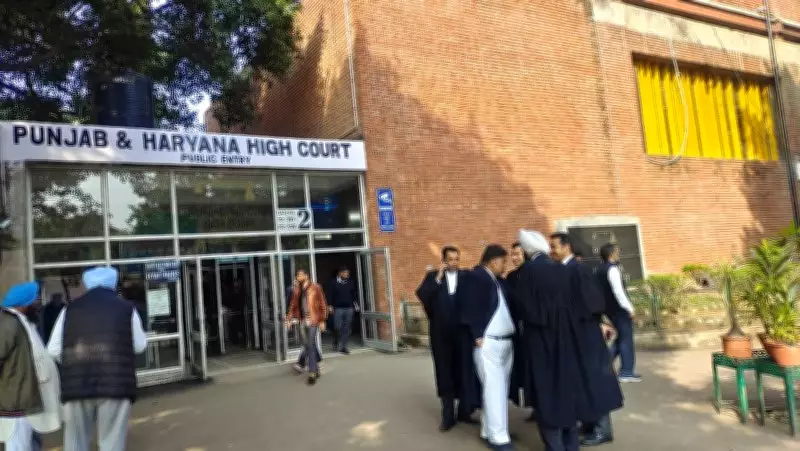
The Punjab and Haryana High Court has adopted a series of austerity measures in response to the ongoing global oil crisis, aiming to curtail unnecessary expenditures and optimize resource utilization. The decision, announced by the court's administration, reflects a proactive approach to managing financial constraints that have impacted institutions worldwide.
Key Austerity Measures
The measures include a reduction in the use of official vehicles, stricter controls on travel allowances, and a ban on the purchase of new furniture and equipment unless absolutely necessary. Additionally, the court has directed that all non-essential expenditures be deferred, and that energy conservation practices be strictly followed within the court premises.
Impact on Operations
These steps are expected to significantly reduce the court's operational costs. However, they may also lead to delays in certain administrative processes and affect the convenience of staff and litigants. The court has emphasized that these measures are temporary and will be reviewed periodically based on the evolving economic situation.

Global Context: The global oil crisis, triggered by supply disruptions and geopolitical tensions, has led to soaring fuel prices worldwide. This has forced many government institutions, including the judiciary, to adopt cost-saving measures. The Punjab and Haryana High Court's initiative is seen as a timely response to ensure financial prudence without compromising on judicial work.
Staff members have been urged to cooperate and suggest further ways to reduce expenses. The court has also set up a committee to monitor the implementation of these austerity measures and ensure compliance.