Supreme Court Proposes Licensed Bail Bondsmen for Foreigners in NDPS Cases
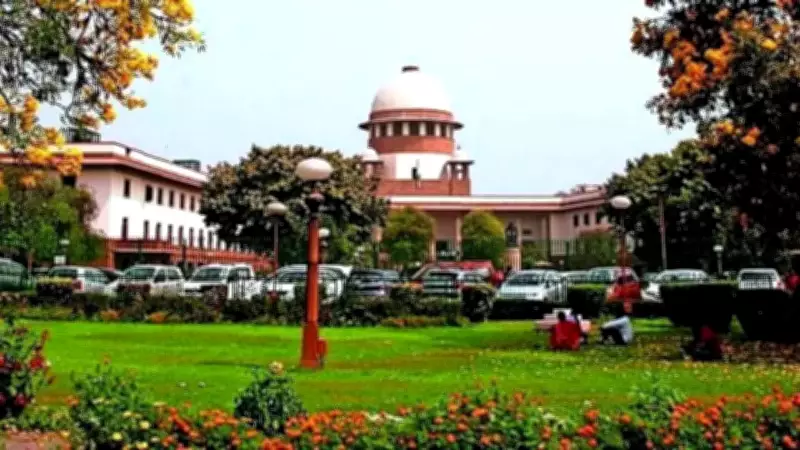
Concerned about foreign nationals accused in Narcotic Drugs and Psychotropic Substances (NDPS) cases securing bail under the 'bail not jail' principle and then disappearing, the Supreme Court is actively exploring the creation of a system involving licensed professional bail bondsmen. This initiative aims to provide surety for non-citizens and guarantee their presence during trial proceedings.
Addressing the Issue of Absconding Accused
The court's consideration stems from a specific case involving Chidiebere Kingsley Nawchara, a foreign national who obtained bail in an NDPS case only to abscond. A bench comprising Justices Sanjay Karol and A G Masih has taken proactive steps by requesting amicus curiae and senior advocate Sidharth Luthra to devise a robust mechanism. This mechanism is intended to ensure that non-citizens, even after being granted bail due to prolonged incarceration, remain available to face trial without evasion.
Draft Rules for Professional Bail Bondsmen
In response, Luthra, along with associate advocates Sheeza Hashmi and Mihir Joshi, has prepared a comprehensive draft titled 'Professional Bail Bondsmen (Regulation) Rules.' This draft is based on suggestions from the Department of Revenue Intelligence (DRI) and has been formally submitted to the court. It has subsequently been uploaded to the Supreme Court's official website, inviting feedback from the public and domain experts to refine the proposal.

These guidelines are specifically designed for the grant of bail by trial or appellate courts to foreign nationals and non-citizens prosecuted for offences under the NDPS Act involving commercial quantities, clarified the amicus curiae, emphasizing the targeted scope of the rules.
Licensing and Eligibility Criteria
Under the proposed framework, individuals or business entities could obtain licenses to operate as professional bail bondsmen. However, the rules stipulate that a bail bondsman business entity must execute bail bonds exclusively through a duly licensed individual bail bondsman, ensuring accountability and proper oversight.
The draft rules also establish strict disqualifications to maintain integrity and prevent conflicts of interest. Those barred from becoming bail bondsmen include:
- Police officers, prison officers, and judicial officers
- Prosecutors and court staff
- Persons exercising control over prisoners
- Advocates and their employees
- Individuals with previous convictions
Obligations and Monitoring Mechanisms
The rules impose significant obligations on bail bondsmen, requiring them to ensure the accused's appearance before the trial court, compliance with all bail conditions, and prompt notification to the court and investigating agency of any potential breaches. This proactive approach is designed to prevent lapses and enhance judicial efficiency.
Additionally, the proposal includes stringent conditions for courts granting bail to foreign nationals in drug cases. These conditions may involve:
- Deposit of the accused's passport
- Territorial travel restrictions
- Periodic reporting requirements
To further bolster tracking efforts, the amicus curiae suggested that courts or authorities could direct coordination with key agencies such as the Bureau of Immigration, Foreigners Regional Registration Office (FRRO), Ministry of Home Affairs, and Ministry of External Affairs. This multi-agency collaboration aims to create a seamless monitoring system for foreigners released on bail in NDPS cases, reducing the risk of absconding and ensuring justice is served.