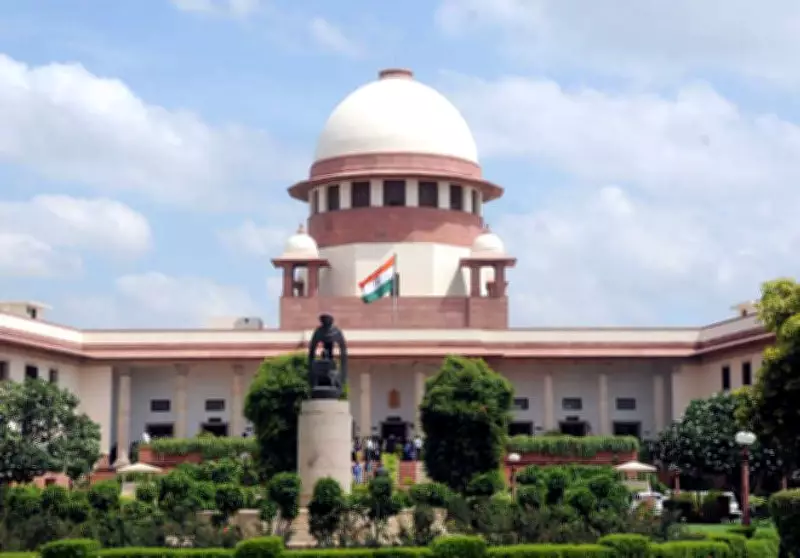
The Supreme Court of India has taken a remarkable step by questioning its own earlier judgment on the primacy of bail. This introspection by the apex court signals a potential shift in legal interpretation that could have far-reaching implications for undertrial prisoners across the country.
Background of the Case
In a recent hearing, a bench of the Supreme Court raised doubts about the correctness of its previous ruling that emphasized bail as a rule and jail as an exception. The court observed that the earlier verdict might have been too broad in its scope, potentially undermining the seriousness of certain offenses.
Legal Implications
The court's self-review is unprecedented and highlights the dynamic nature of judicial interpretation. Legal experts believe that this could lead to a more nuanced approach, where the gravity of the crime and the likelihood of the accused tampering with evidence or fleeing are given greater weight.

Impact on Undertrial Prisoners
India's prisons are overcrowded with undertrial prisoners, many of whom have been awaiting trial for years. The earlier judgment had provided hope for their release on bail. However, if the court modifies its stance, it may become harder for those accused of serious crimes to secure bail.
Reactions from Legal Fraternity
The legal community has reacted with mixed feelings. While some applaud the court's willingness to correct itself, others worry about the potential for increased incarceration without trial. Human rights organizations have urged the court to balance individual liberty with the interests of justice.
The Way Forward
The Supreme Court is expected to deliver a detailed judgment on this matter in the coming weeks. Until then, the legal landscape remains uncertain. What is clear, however, is that the court's introspection is a testament to the robustness of India's judicial system.