Supreme Court Takes on Railway Insurance Disparity
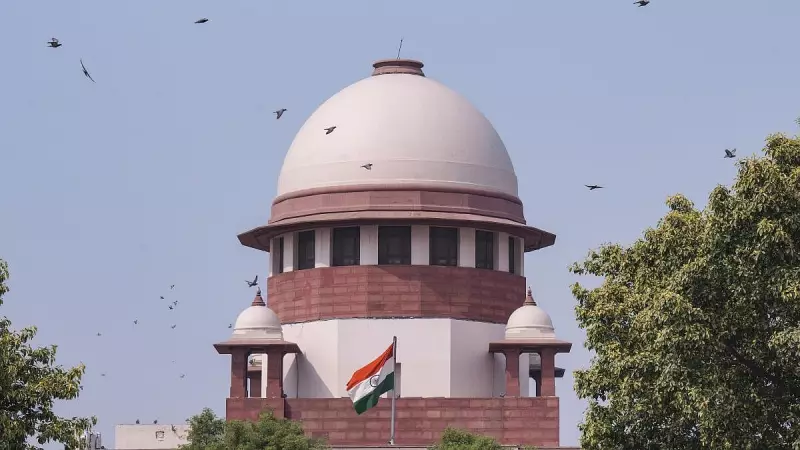
The Supreme Court of India has raised serious concerns about the Indian Railways' insurance policy that provides accident coverage exclusively to passengers who purchase tickets online. A bench comprising Justices Ahsanuddin Amanullah and K Vinod Chandran directly questioned the railway authorities about this discriminatory practice during proceedings on November 27, 2025.
Digital Divide in Passenger Safety
The court was informed that the current system offers insurance protection only to those buying tickets through digital platforms, leaving offline ticket purchasers without similar accident coverage. This revelation prompted the justices to scrutinize what appears to be a significant gap in passenger safety measures based solely on the method of ticket purchase.
During the hearing, the bench expressed strong reservations about creating what amounts to a two-tier safety system where digital access determines insurance eligibility. The court emphasized that accident protection should ideally be universal for all rail passengers, regardless of their booking preferences or digital accessibility.
Broader Implications for Digital India
This case highlights the growing tension between digital initiatives and equitable access to essential services. While the railways have been promoting online ticket booking through various incentives, the court's intervention suggests that basic safety provisions should not become casualties in this digital push.
The Supreme Court's questioning comes at a time when India is aggressively pursuing digital transformation across all sectors. However, the justices appear to be drawing a clear line where digital convenience should not compromise fundamental rights to safety and equal treatment.
The bench has sought detailed explanations from the railway administration about the rationale behind limiting insurance coverage to online ticket holders. The court wants to understand whether this restriction serves any legitimate purpose beyond encouraging digital transactions.
What This Means for Millions of Passengers
Indian Railways, being one of the world's largest rail networks, carries millions of passengers daily. A significant portion of these travelers still relies on traditional counter bookings or other offline methods due to various constraints including digital literacy, internet access, and personal preference.
The current insurance scheme creates an unequal playing field where passengers paying the same fare receive different levels of protection based solely on their booking method. This raises important questions about consumer rights and equitable service delivery in public transportation.
The Supreme Court's intervention could potentially lead to a more inclusive insurance policy that covers all railway passengers equally. The outcome of this case may set important precedents for how digital initiatives are implemented in public services across India.
As the matter continues to be heard, all eyes are on how the railways will justify their current insurance structure and whether the court will mandate a more comprehensive coverage system that protects every passenger equally, regardless of their digital proficiency or access.