Supreme Court Declines to Hear Plea Against Naming Religious Structures After Babur
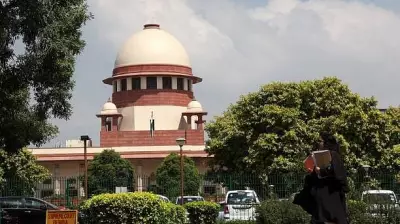
The Supreme Court of India has refused to entertain a petition that sought to restrain the naming of religious structures after the Mughal emperor Babur. This development occurred during a hearing before a bench comprising Justices Vikram Nath and Sandeep Mehta.
Court's Disinclination Leads to Withdrawal of Petition
During the proceedings, the bench clearly expressed its disinclination to entertain the plea. Following this indication from the court, the counsel representing the petitioner chose to withdraw the petition. The court accepted this withdrawal, effectively closing the matter without further deliberation.
The petition had specifically requested judicial intervention to prevent any religious structures from being named after Babur, a historical figure whose legacy remains contentious in certain contexts within India. This legal move comes against the backdrop of ongoing discussions about historical narratives and religious symbolism in the country.
Context and Implications
This legal petition emerges in a landscape where historical figures like Babur continue to evoke strong reactions in contemporary Indian discourse. The Babri Masjid-Ram Janmabhoomi dispute has particularly highlighted how historical figures and religious structures can become focal points of legal and social contention.
The Supreme Court's decision to not entertain this plea reflects the judiciary's approach to matters involving historical interpretation and religious nomenclature. Legal experts suggest this indicates the court's preference to avoid entanglement in disputes that might be better resolved through social dialogue or legislative action rather than judicial mandate.
Key aspects of this development include:
- The Supreme Court bench's clear expression of disinclination to hear the petition
- The petitioner's counsel voluntarily withdrawing the plea after the court's indication
- The broader context of historical and religious sensitivities in contemporary India
- The judicial approach to matters involving historical interpretation and religious symbolism
Broader Legal and Social Landscape
This case touches upon several intersecting areas of Indian law and society:
- Constitutional principles regarding religious freedom and state intervention in religious matters
- Historical interpretation and how it intersects with contemporary legal frameworks
- Judicial restraint in matters that might be considered outside the court's purview or better addressed through other mechanisms
- Social harmony considerations in a diverse, multi-religious society
The Supreme Court's handling of this petition demonstrates the judiciary's careful navigation of complex historical and religious issues. By allowing the withdrawal rather than issuing a substantive ruling, the court has maintained a position of judicial restraint while acknowledging the sensitivities involved.
This development occurs as India continues to grapple with questions of historical memory, religious identity, and legal frameworks for addressing contentious historical legacies. The court's approach in this instance suggests a preference for allowing such matters to evolve through social and political processes rather than judicial intervention.