

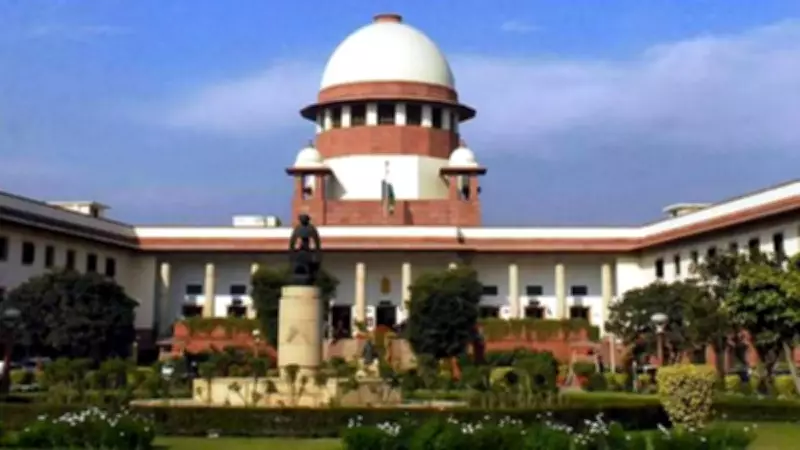
Supreme Court Dismisses AI-Crafted Public Interest Litigation
In a significant ruling, the Supreme Court of India has firmly rejected a Public Interest Litigation (PIL) that was drafted using artificial intelligence. The case involved a cloth trader from Ludhiana, Punjab, who submitted the AI-generated petition, prompting the court to issue a sharp rebuke.
Details of the Case and the Court's Response
The PIL, filed by the Ludhiana-based trader, sought judicial intervention on a matter that the court deemed non-essential and lacking in substantive public interest. Upon review, the bench discovered that the document was not manually prepared but was instead created through AI tools, raising concerns about the authenticity and seriousness of the litigation.
Justice presiding over the case remarked, "This is not how the judicial process should be utilized. If you have time to experiment with AI for drafting petitions, perhaps you should redirect that energy towards your core business activities." The court explicitly advised the trader to focus on selling sweaters, highlighting the seasonal demand and economic opportunities in his trade.

Implications for Legal Proceedings and AI Use
This incident underscores the judiciary's stance on maintaining the integrity of legal processes. The Supreme Court emphasized that PILs are meant for genuine public welfare issues and should not be trivialized by the use of automated drafting without proper legal oversight. The rejection serves as a cautionary tale for individuals and entities considering similar approaches.
Key points from the court's observations include:
- AI-drafted petitions may lack the nuanced understanding required for legal arguments.
- The court expects litigants to engage sincerely with the judicial system.
- Frivolous litigation wastes valuable court time and resources.
Legal experts have noted that while AI can assist in legal research and documentation, it should not replace the critical thinking and ethical considerations inherent in filing cases, especially those of public interest.
Broader Context and Future Outlook
The ruling comes at a time when AI integration in various sectors, including law, is rapidly expanding. However, this case highlights the need for clear guidelines and ethical frameworks to govern AI's role in legal practices. The Supreme Court's decision may prompt discussions on regulating AI use in judiciary-related activities to prevent misuse.
For the Ludhiana trader, the court's advice to "go sell some sweaters" is a direct call to prioritize economic contributions over unproductive legal endeavors. This episode reinforces the importance of leveraging technology responsibly within the bounds of established legal norms.






