Supreme Court Rejects Anticipatory Bail Plea of Karnataka BJP MLA in Murder Case
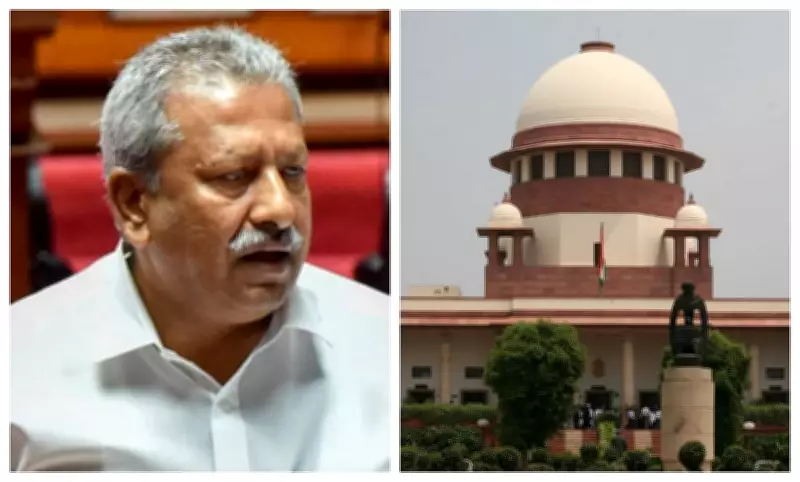
The Supreme Court of India has delivered a significant ruling by refusing to entertain the anticipatory bail plea of Karnataka BJP MLA Byrathi Basavaraj, who is embroiled in a serious murder case. In a stern directive, the apex court urged the legislator to demonstrate courage and face the trial proceedings head-on, emphasizing the importance of judicial accountability.
Details of the Court's Decision
During the hearing, the bench, comprising esteemed justices, dismissed the anticipatory bail application filed by Basavaraj. The court underscored that anticipatory bail is not an automatic right and must be granted only under exceptional circumstances. In this instance, the judges found no compelling grounds to provide such relief, given the gravity of the allegations involving murder.
The Supreme Court's stance sends a clear message about upholding the rule of law, irrespective of an individual's political stature. By rejecting the plea, the judiciary has reinforced that legal processes must be followed diligently, and accused persons should participate in trials without seeking pre-arrest protection unless justified.

Background of the Case
Byrathi Basavaraj, a prominent BJP MLA from Karnataka, is implicated in a murder case that has garnered widespread attention. The allegations stem from an incident where he is accused of involvement in a homicide, leading to legal proceedings against him. The case has been under scrutiny due to its political ramifications and the serious nature of the crime.
Previously, lower courts had also denied bail to Basavaraj, citing the severity of the charges and the need for a thorough investigation. The Supreme Court's recent decision aligns with these earlier rulings, maintaining consistency in the judicial approach to such high-profile cases.
Implications and Reactions
This ruling is expected to have significant implications for the political landscape in Karnataka, as it involves a sitting MLA from the ruling party. Legal experts view the Supreme Court's refusal as a reinforcement of judicial independence and a deterrent against attempts to evade trial through anticipatory bail.
Public reactions have been mixed, with some applauding the court for its firm stance on accountability, while others express concerns about the political fallout. The case highlights the ongoing challenges in balancing legal procedures with political dynamics in India's democratic framework.
As the trial proceeds, all eyes will be on the developments, with the Supreme Court's directive serving as a pivotal moment in ensuring that justice is pursued without bias. The outcome may set a precedent for similar cases involving public figures in the future.