Supreme Court Rejects Divorce Plea, Emphasizes Permanent Alimony Resolution
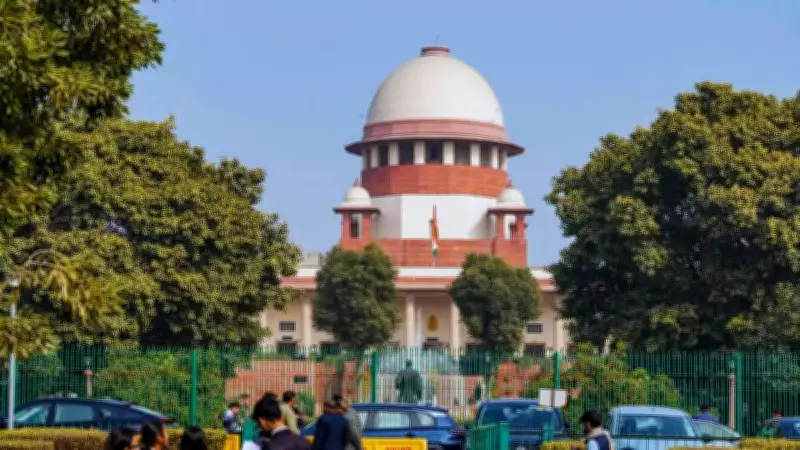
In a significant ruling, the Supreme Court of India on Friday declined to grant a divorce to a 54-year-old man who has been providing Rs 15,000 per month as maintenance to his estranged wife for the past 16 years. Instead, the court directed him to contemplate a reasonable proposal for permanent alimony, as reported by Bar and Bench.
Court's Directive on Divorce and Alimony Negotiations
A Bench comprising Justices Vikram Nath and Sandeep Mehta explicitly informed the petitioner that his divorce plea would only be considered if he first indicated a willingness to offer permanent alimony. The man contended that the current maintenance of Rs 15,000 imposed a substantial burden on his monthly income of Rs 65,000. In response, the court remarked, "Rs 15,000 is hardly anything these days... If you came up with an offer for permanent alimony we could have still considered (granting divorce)... (Else) Shaanti se baitho, dete raho 15,000, khush raho", as quoted by Bar and Bench.
Background of the Case and Legal Proceedings
The Supreme Court was adjudicating the man's appeal against a high court order that had previously dismissed his divorce petition. During the hearing, the Bench questioned the feasibility of the couple continuing to cohabit, asking, "Keep your wife with you. What is the problem?" The man's legal representative argued that the couple had lived separately for nearly 16 years, with repeated mediation attempts failing due to persistent disagreements.

However, the court noted that the petitioner's sole ground for alleging cruelty was his wife's insistence on accompanying him to his various postings. In a contrasting submission, the wife's counsel stated that she was not seeking permanent alimony and was, in fact, prepared to resume living with her husband.
Implications for Family Law and Maintenance Disputes
This case underscores the judiciary's emphasis on exploring amicable settlements in matrimonial disputes, particularly through permanent alimony arrangements. The court's refusal to grant divorce without a concrete alimony proposal highlights the legal priority placed on financial security for estranged spouses, even after prolonged separations.
The ruling may influence future divorce cases, encouraging parties to engage in meaningful negotiations over long-term financial support rather than relying solely on temporary maintenance payments. It reflects a broader trend in Indian family law towards balancing individual grievances with equitable economic outcomes.