

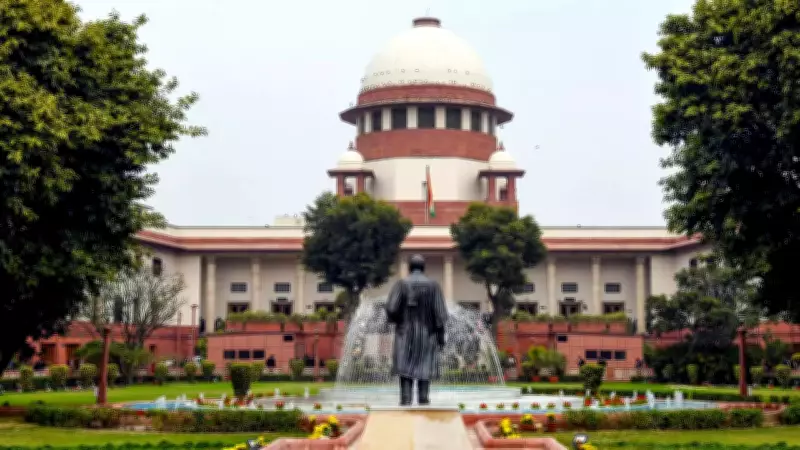
Supreme Court Declines to Mandate Menstrual Leave Policy Nationwide
The Supreme Court of India on Friday declined to entertain a public interest litigation (PIL) that sought the establishment of a nationwide policy granting menstrual leave to women students and employees across the country. While the court did not conduct a detailed examination of the issue, it clearly outlined several significant reasons for its reluctance to mandate such a policy through judicial intervention.
Primary Concern: Potential Negative Impact on Women's Employment
A bench led by Chief Justice of India Surya Kant and Justice Joymalya Bagchi expressed serious concerns that making menstrual leave compulsory through legislation could have unintended and potentially harmful consequences for women in the workforce. The CJI specifically cautioned that employers might become hesitant or reluctant to hire women if they were legally required to provide additional paid leave specifically for menstrual reasons.
"Voluntarily given is excellent. The moment you make it compulsory in law, nobody will give them jobs," Chief Justice Kant observed during the hearing proceedings. The court warned that such a mandatory move could ultimately end up harming women's professional opportunities and career advancement rather than providing them with meaningful support.

Risk of Reinforcing Harmful Gender Stereotypes
The bench also articulated concerns that legislating menstrual leave could inadvertently reinforce existing stereotypes about women being less capable or reliable in professional settings. According to the court's observations, framing menstruation as a mandatory ground for leave might lead to perceptions that women are inherently less productive or less dependable in workplace environments.
"These pleas are made to create fear, to call women inferior, that menstruation is something bad happening to them," the bench noted during its deliberations. The judges emphasized the importance of avoiding policies that might perpetuate such harmful stereotypes while attempting to address genuine concerns about women's health and workplace conditions.
Policy Decision Rests with Government, Not Judiciary
Rather than directing the government to frame a specific policy, the court firmly stated that such issues properly fall within the domain of policymakers who must consult various stakeholders before making any determinations. The bench acknowledged that the petitioner had already submitted a formal representation to the relevant authorities regarding this matter.
The court clarified that the competent authority may examine this representation and consider whether a menstrual leave policy should be developed after appropriate consultations with all concerned parties. Consequently, the PIL was disposed of without issuing any further judicial directions to either the government or other institutions.
Petitioner's Arguments and Existing Precedents
During the hearing, senior advocate M R Shamshad, appearing for petitioner Shailendra Mani Tripathi, presented arguments highlighting that menstrual leave provisions already exist in certain regions and organizations. He specifically pointed to measures adopted in Kerala, where some educational institutions have introduced relaxations and accommodations for menstruating students.
Additionally, the petitioner noted that several private companies across India have voluntarily adopted menstrual leave policies as part of their employee welfare initiatives. While the court acknowledged these existing examples, it maintained that voluntary policies implemented at organizational levels were preferable to a mandatory legal requirement imposed nationwide through judicial intervention.
Current Status and Future Considerations
For the present moment, the Supreme Court has effectively left the matter to policymakers rather than intervening directly through its judicial authority. The decision underscores the court's position that complex social policies involving multiple stakeholders and potential economic consequences should be developed through legislative and executive processes rather than judicial mandate.

The ruling highlights the delicate balance between addressing genuine health concerns and avoiding unintended consequences that might negatively affect women's participation in the workforce. While recognizing the importance of menstrual health awareness, the court has emphasized that policy solutions must be carefully crafted to avoid creating additional barriers to women's employment and professional advancement.





