

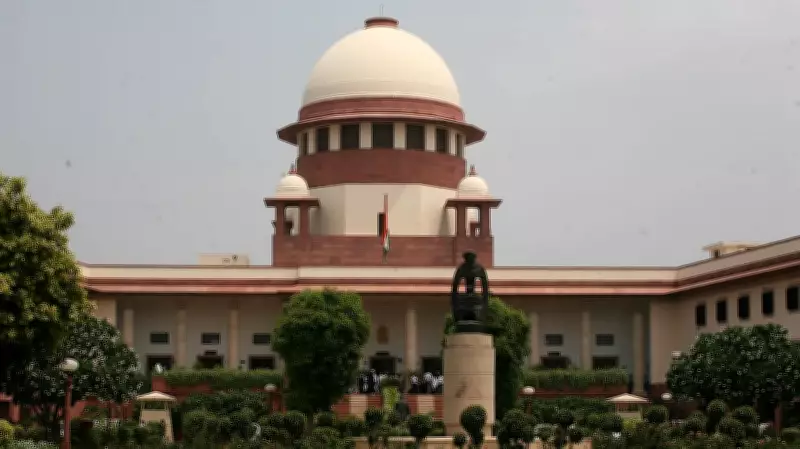
Supreme Court Reserves Verdict on Landmark 'Industry' Definition Case
The Supreme Court of India has concluded hearings and reserved its verdict in a pivotal case concerning the interpretation of the term 'industry' under the Industrial Disputes Act, 1947. This decision was made by a rare nine-judge constitutional bench, highlighting the case's significant legal and economic implications.
Background and Legal Context
The case stems from longstanding ambiguities in the definition of 'industry' within the Industrial Disputes Act, which governs labor relations and dispute resolution in India. Over the years, various judicial interpretations have led to inconsistencies, affecting sectors such as education, healthcare, and charitable organizations. The current bench, led by Chief Justice of India D.Y. Chandrachud, was convened to provide a definitive ruling that could reshape labor laws and economic classifications.
Key Arguments and Hearings
During the extensive hearings, multiple stakeholders presented arguments. The government emphasized the need for a broad definition to ensure comprehensive labor protection across diverse economic activities. In contrast, employers and industry bodies advocated for a narrower scope to exclude non-profit and sovereign functions, arguing that over-inclusion could stifle innovation and burden smaller entities. Legal experts highlighted that a clear definition is crucial for uniform application of labor rights, preventing litigation and ensuring social justice.

Potential Impacts and Implications
The verdict, once delivered, is expected to have far-reaching consequences:
- Labor Rights: A broader definition could extend protections like minimum wages and dispute resolution mechanisms to more workers, including those in informal sectors.
- Economic Sectors: Industries such as education and healthcare might face new regulatory requirements, impacting operational costs and compliance.
- Legal Framework: The ruling will provide clarity, reducing judicial backlog by setting a precedent for future cases involving industrial disputes.
- Social Policy: It aligns with global labor standards, potentially enhancing India's position in international trade and human rights indices.
Next Steps and Conclusion
The Supreme Court has not announced a timeline for delivering the verdict, but legal observers anticipate it within the coming months. This case represents a critical juncture in Indian jurisprudence, balancing economic growth with worker welfare. As the nation awaits the decision, stakeholders across sectors are preparing for potential shifts in labor law enforcement and industrial relations.






