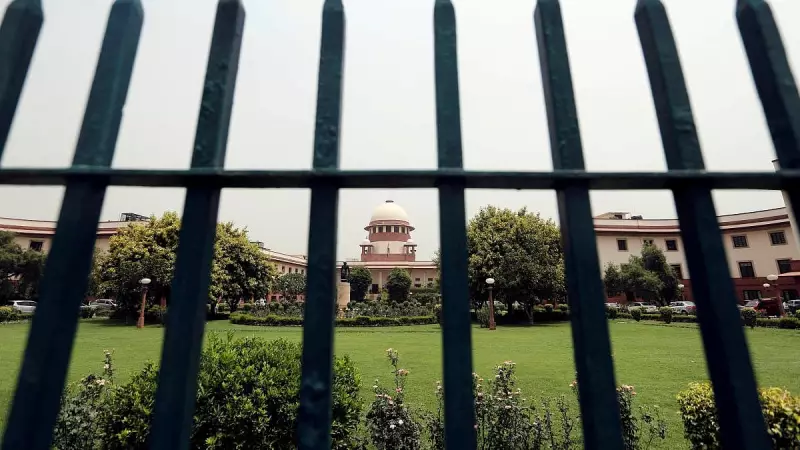
In a significant ruling, the Supreme Court of India has brought closure to a protracted legal battle over land among the heirs of the late, renowned Karnataka educationist, Dr. M S Ramaiah. The apex court has formally approved the terms of a family settlement that was originally negotiated between the parties nearly two decades ago.
Court Gives Legal Sanctity to Family Agreement
A bench of Supreme Court Justices placed its official seal of approval on the memorandum of the family settlement. This crucial document was finalized by the disputing family members on two key dates: November 25, 2005, and August 28, 2006. By giving its imprimatur, the court has effectively transformed this private agreement into a binding legal order, ensuring its enforcement and preventing future litigation on the same matter.
Background of the Dispute
The dispute centered on property and land assets belonging to the estate of M S Ramaiah, a visionary who founded the prestigious M S Ramaiah Institute of Technology in Bengaluru. Following his passing, disagreements over the distribution of these assets arose among his children, leading to a complex legal fight that eventually reached the nation's highest court. The settlement from 2005-06 represented the family's own attempt to resolve these conflicts amicably out of court.
Implications of the Supreme Court Verdict
This judgment underscores the judiciary's preference for upholding mutually agreed-upon family settlements, which often provide a more harmonious resolution than protracted court battles. The Supreme Court's decision provides finality and legal protection to all parties involved. Key outcomes include:
- Legal Finality: The dispute is now conclusively resolved, barring any new legal challenges on the settled terms.
- Enforcement: The terms of the 2005-06 memorandum are now enforceable as a court decree.
- Precedent: It reinforces the principle that consensual family agreements, when presented to the court, are viewed favorably to promote lasting peace within families.
The ruling allows the legacy of Dr. M S Ramaiah, primarily celebrated for his monumental contributions to education in Karnataka, to remain untarnished by prolonged family discord. It enables his heirs to move forward, with the court's blessing on how the family's substantial property holdings are to be managed and distributed.