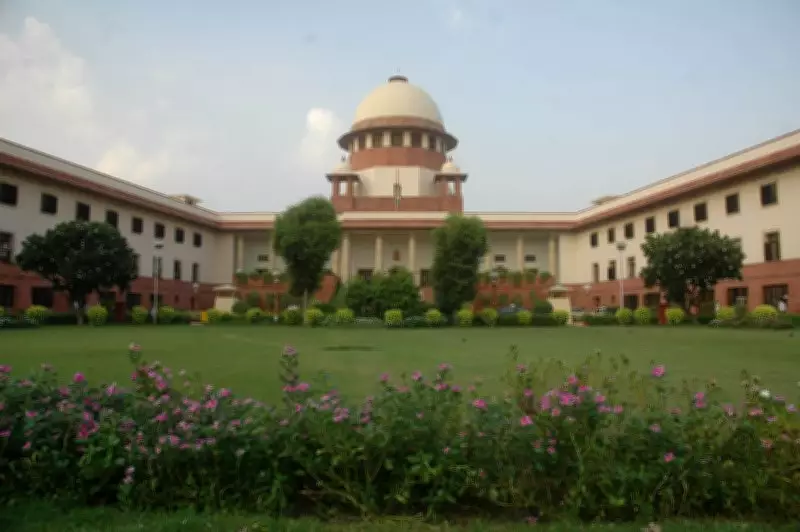
The Supreme Court's landmark ruling that voluntary adult sex work is not illegal affirms sex workers' right to dignity and bodily autonomy. It distinguishes voluntary work from human trafficking, but legal experts point to a paradox. While voluntary sex work is recognized as a right, operating a brothel remains a criminal offense.
Key Aspects of the Verdict
The verdict demands that consent be the primary consideration in decisions relating to rehabilitation, reintegration, and placement in protective homes. It protects workers from police harassment, laying down that the law enforcement machinery is prohibited from detaining or forcibly rescuing women engaged in the profession by choice.
Rejection of Paternalistic Assumptions
The apex court judgment rejects the paternalistic assumptions under Section 17 of the Immoral Traffic (Prevention) Act, 1956 (ITPA), which often treats all persons rescued from prostitution-related situations in the same manner, irrespective of whether they were trafficked, coerced, or voluntarily engaged in sex work. According to the Bench, such a one-size-fits-all approach fails to account for the diverse realities.

Background of the Case
It was in 2004 that Hyderabad-based NGO Prajwala filed a PIL highlighting systemic failures in tackling sex trafficking. Over the years, the court issued interim directions. In 2015, the Centre assured the court that it would establish an Organised Crime Investigative Agency (OCIA) and draft comprehensive anti-trafficking legislation. However, repeated delays and lapses in implementation led Prajwala to file further applications, culminating in the 2026 ruling.
Consent as the Deciding Factor
The apex court cautions against conflating prostitution with trafficking in every case. It emphasizes the need for a threshold inquiry during rescue operations to determine whether an adult is a trafficked victim or is voluntarily engaged in sex work. Anti-trafficking mechanisms should not automatically result in detention, institutionalization, or restrictions on the liberty of adults voluntarily engaged in sex work, the court has ruled. It has clarified that the irrelevance of consent under the Palermo Protocol applies only where trafficking is established through coercion, force, fraud, deception, abuse of vulnerability, or other prohibited means. Adopted in 2000, the Palermo Protocol established the first globally recognized, legally binding definition of human trafficking and requires member nations to criminalize the practice, protect victims, and prosecute offenders.
Separation of Work and Trafficking
The 297-page judgment seeks to distinguish those trafficked for prostitution from adults who indulge in it voluntarily and says the Immoral Traffic Act processes those trafficked against their will, those who were trafficked but continue voluntarily, and those who have chosen sex work for themselves through the same mechanism. It says the Act's failure to accord rights and protections, combined with the deep social stigma attached to sex work, results in voluntary adult sex workers being isolated, marginalized, and unable to access protections that the law extends to them.
No Criminal Action for Trafficked Victims
The apex court has urged the government to consider amending the law to exempt trafficked victims from being prosecuted for prostitution. It also wants the new law to protect the victims from sexual abuse by police personnel when in custody. A comprehensive Victim Protection Plan governing the pre-rescue, rescue, post-rescue, rehabilitation, reintegration, and prosecution stages has also been suggested, while simultaneously recommending legislative and policy reforms aimed at strengthening India's anti-trafficking framework. Protection must be trauma-informed, ensuring that procedures do not retraumatize survivors through harsh raids, intrusive questioning, or custodial treatment. The plan also mandates confidentiality, safeguarding the identity and privacy of victims at every stage.
Expert Opinion
The ruling is a vital step toward protecting bodily autonomy and recognizing fundamental human rights. Having said that, the law still creates a frustrating paradox between voluntary sex work and the illegality of running a brothel, notes advocate Ashwini Chandran.