Supreme Court Directs Centre to Respond on Creamy Layer Exclusion from SC/STs
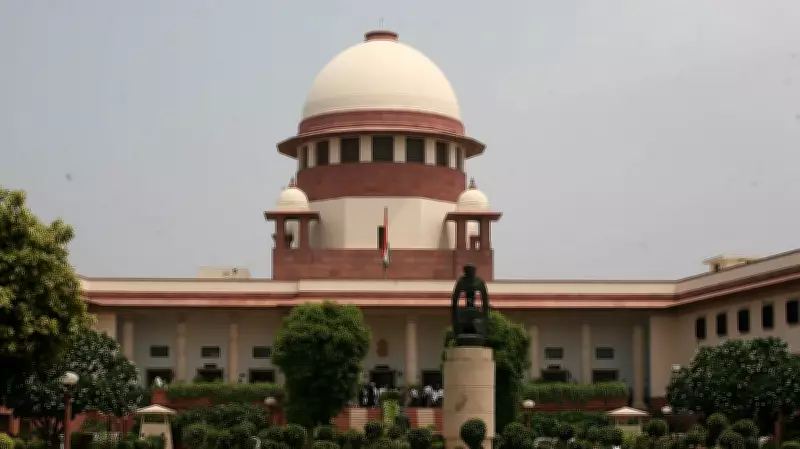
The Supreme Court of India has issued a significant directive, asking the Central Government to formally respond to petitions that seek to exclude the so-called 'creamy layer' from the categories of Scheduled Castes (SCs) and Scheduled Tribes (STs). This development marks a pivotal moment in the ongoing legal and social discourse surrounding reservation policies and affirmative action in the country.
Court Proceedings and Future Hearing
During the hearing, the apex court explicitly instructed the Centre to file its detailed response on the pleas that have been submitted. The bench presiding over the case made it clear that once the government's reply is received, the matter will be scheduled for further consideration and arguments at a later date. This procedural step ensures that all relevant viewpoints and legal arguments are thoroughly examined before any judicial decision is rendered.
The concept of the 'creamy layer' refers to the more affluent and socially advanced segments within the SC and ST communities. Proponents of exclusion argue that these individuals no longer require the benefits of reservation, as they have already achieved significant economic and social mobility. Opponents, however, contend that such a move could undermine the broader goals of social justice and equality enshrined in the Constitution.

Broader Implications for Reservation Policies
This case has far-reaching implications for India's reservation framework, which has long been a cornerstone of efforts to address historical discrimination and promote inclusivity. The Supreme Court's involvement underscores the complex balance between ensuring opportunities for the most disadvantaged while preventing the misuse of benefits by those who are already well-off.
Legal experts anticipate that the Centre's response will delve into the socio-economic data and policy considerations that inform its stance on the creamy layer issue. The outcome of this case could potentially reshape the implementation of reservation quotas across various sectors, including education and employment, affecting millions of citizens across the nation.
As the legal process unfolds, stakeholders from all sides are closely monitoring the developments, recognizing that the Supreme Court's eventual ruling will have a profound impact on the future of social justice initiatives in India. The court's decision to seek the Centre's input reflects a careful and measured approach to a highly sensitive and contentious topic.