

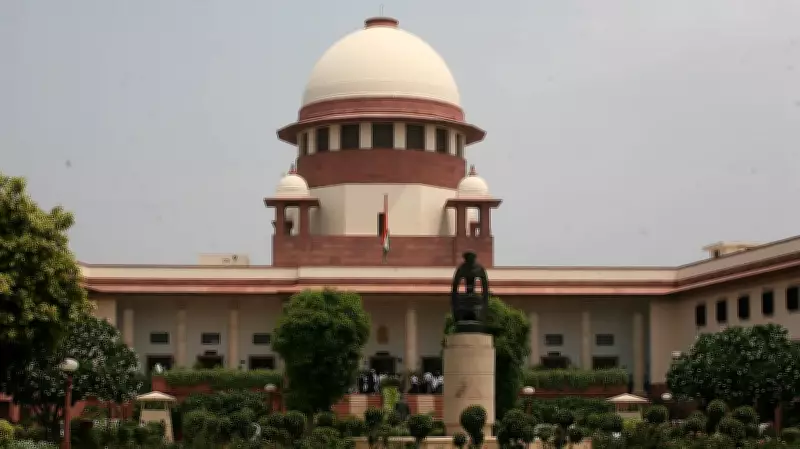
Supreme Court Issues Notices to Haryana Government and DGP Over Plea for CBI Investigation in Gurugram Minor Rape Case
In a significant development, the Supreme Court of India has formally sought responses from the Haryana state government and the Director General of Police (DGP) regarding a petition that demands a Central Bureau of Investigation (CBI) or Special Investigation Team (SIT) probe into the alleged rape of a 4-year-old girl in Gurugram. This judicial move underscores the court's active engagement in ensuring a thorough and impartial investigation into the distressing incident.
Background of the Case and Judicial Proceedings
The case came to the forefront when a plea was filed seeking an independent investigation by either the CBI or an SIT to examine the circumstances surrounding the rape of the minor girl in Gurugram. On March 20, the Supreme Court agreed to hear this plea, signaling its intent to scrutinize the handling of the matter by local authorities. The court's decision to entertain the petition reflects growing concerns over the efficacy of state-level investigations in sensitive criminal cases, particularly those involving minors.
The Supreme Court has now issued formal notices to the Haryana government and the DGP, requiring them to submit their replies. This step is crucial as it places the onus on the state authorities to justify their current investigative approach or potentially pave the way for a central agency takeover. Legal experts view this as a proactive measure by the judiciary to uphold justice and transparency, especially in cases that have sparked public outrage and demand accountability.

Implications for the Investigation and Broader Legal Context
The issuance of notices by the Supreme Court carries several implications:
- Enhanced Scrutiny: It subjects the Haryana government and police to heightened judicial oversight, ensuring that the investigation is conducted without bias or delay.
- Potential for Central Intervention: If the replies are deemed unsatisfactory, the court may order a CBI or SIT probe, which could lead to a more comprehensive and independent examination of the case.
- Public Confidence: This move aims to restore faith in the legal system by addressing concerns over potential lapses in the initial investigation at the state level.
The case is part of a broader national discourse on child safety and the effectiveness of law enforcement in handling crimes against minors. With the Supreme Court stepping in, there is an expectation that the proceedings will be expedited and that justice will be served for the victim and her family. The court's involvement also highlights the judiciary's role in safeguarding constitutional rights and ensuring that such heinous crimes are investigated with the utmost diligence.
As the Haryana government and DGP prepare their responses, all eyes are on the Supreme Court for its next hearing, which could determine the future course of the investigation. The outcome may set a precedent for how similar cases are handled across India, emphasizing the need for robust mechanisms to protect vulnerable children and hold perpetrators accountable.






