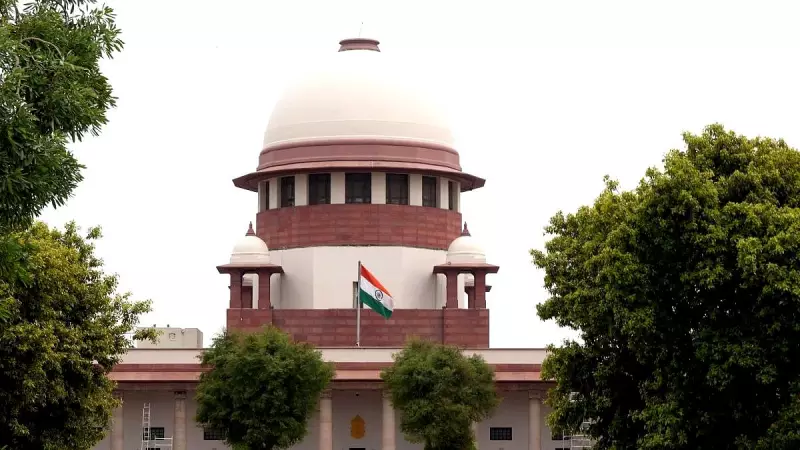
The Supreme Court of India has taken a significant step in a public interest litigation (PIL) concerning the status of practitioners of alternative medicine systems. The apex court has officially sought responses from relevant authorities regarding a plea to have doctors from the AYUSH streams formally declared as Registered Medical Practitioners.
Core Demands of the Public Interest Litigation
The PIL, which prompted the court's action, carries two major demands. Primarily, it seeks a judicial direction to grant AYUSH practitioners the official designation of Registered Medical Practitioners. This status is crucial for defining their professional standing and scope of practice within the country's healthcare framework.
Secondly, the petition urges the constitution of an expert committee. This committee's proposed mandate is substantial: to review and modernize the schedule of a decades-old legislation, The Drugs and Magic Remedies (Objectionable Advertisements) Act, 1954. The plea argues that the law needs an update to align with contemporary scientific advancements and the current landscape of medical practice and drug advertisement.

Legal Context and Potential Implications
The 1954 Act was originally enacted to control the advertisement of drugs in certain cases, particularly those claiming magical or miracle remedies. The PIL contends that the schedules and provisions of this act require a thorough revision to reflect present-day realities, including the integration and recognition of AYUSH systems.
The Supreme Court's decision to seek responses indicates the judicial recognition of the petition's seriousness. The respondents, likely to include the Union Ministries of Health and AYUSH, as well as other regulatory bodies, will now have to present their stance before the court. This development, dated 12 January 2026, marks a pivotal moment in the ongoing dialogue about the formal integration of traditional Indian medicine systems into the mainstream regulatory structure.
What Happens Next?
The next phase will involve the central and state governments, along with medical councils, filing their detailed responses to the court. Their replies will clarify the official position on equating AYUSH qualifications with the title of Registered Medical Practitioner and on the proposed overhaul of the 1954 drug advertisement law.
The outcome of this case could have far-reaching consequences for the AYUSH sector, impacting millions of practitioners and patients across India. It touches upon critical issues of professional legitimacy, regulatory control, and the governance of medical advertisements in an evolving healthcare ecosystem.