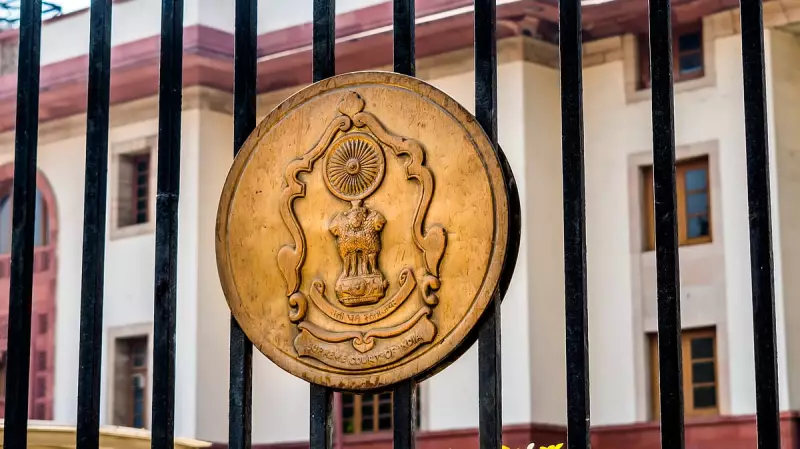
In a significant ruling emphasizing the need for extreme sensitivity in cases involving children, the Supreme Court of India has set aside a bail order granted by a High Court in a case concerning the alleged gang rape of a minor. The apex court found the High Court's approach to be seriously flawed, especially given the grave nature of the accusations which included the recording of the sexual assault and threats to circulate the footage.
A Case Demanding Utmost Sensitivity
The Supreme Court bench, while scrutinizing the High Court's decision, noted that the case warranted prompt and exceptionally sensitive handling due to the specific allegations involved. The charges are not only of gang rape under the stringent Protection of Children from Sexual Offences (POCSO) Act but are compounded by the heinous acts of recording the crime and using the recording to threaten the victim.
The court observed that the High Court's judgment suffered from serious infirmities in its appreciation of these alarming facts. By granting bail without adequately considering the severity and the potential for evidence tampering or intimidation, the lower court's order was deemed unsustainable.

Supreme Court's Firm Stance on POCSO Cases
This decision reinforces the judiciary's evolving strict stance on bail in cases registered under the POCSO Act. The law itself is designed to provide a child-friendly and speedy justice system for victims of sexual abuse. The Supreme Court's intervention sends a clear message to all courts to exercise heightened caution and prioritize the safety and trauma of the minor victim when considering bail for the accused.
The apex court's ruling effectively means the accused will return to custody, and the bail application will need to be considered afresh, if at all, with the Supreme Court's observations in mind. The order was passed on 10 January 2026, as reported.
Broader Implications for the Justice System
This ruling is expected to have several key consequences:
- It sets a precedent for lower courts to meticulously evaluate all aspects, especially digital evidence and threats, in sexual offence cases against minors.
- It underscores that bail in such serious cases cannot be routine and must consider the psychological impact on the child survivor.
- It highlights the judiciary's role in ensuring that the procedural safeguards of laws like POCSO are implemented in both letter and spirit.
The Supreme Court's decisive action serves as a crucial reminder of the legal system's duty to protect the most vulnerable and ensure that the journey towards justice does not inflict further harm.