Supreme Court Rejects Rs 2 Crore Compensation for Faulty Haircut, Stresses Evidence-Based Damages
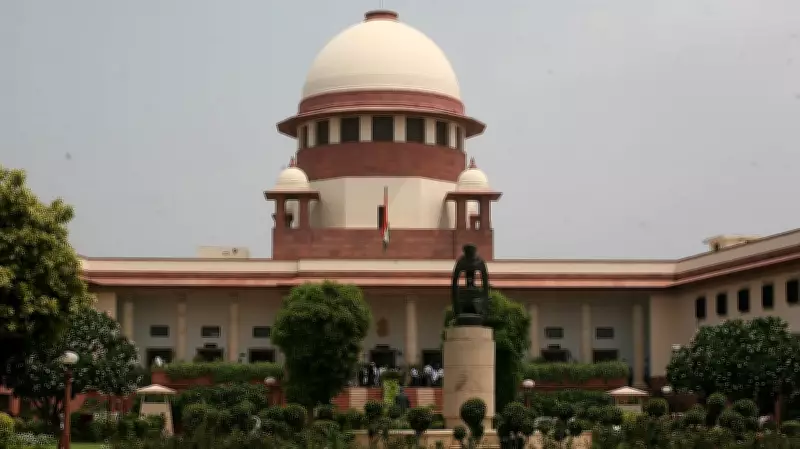
In a significant legal decision, the Supreme Court of India has set aside an order awarding Rs 2 crore in compensation for a faulty haircut, underscoring that damages cannot be granted based on mere presumptions or whims. The ruling, delivered on February 9, 2026, marks a pivotal moment in consumer and tort law, reinforcing the necessity for concrete evidence in compensation claims.
Background of the Case
The case originated from a complaint filed by model Aashna Roy, who alleged that a haircut service provided by ITC Limited resulted in significant damage to her hair and professional reputation. On April 25, 2024, a lower court had ordered ITC Limited to pay Rs 2 crore as compensation to Roy, citing the severe impact on her modeling career and personal distress.
However, ITC Limited appealed this decision, arguing that the compensation was excessive and not substantiated by adequate proof. The company contended that the award was based on assumptions rather than documented evidence of actual losses or harm.

Supreme Court's Ruling
A bench comprising Justices Rajesh Bindal and Manmohan heard the appeal and delivered a judgment that partly allowed ITC Limited's challenge. The court emphasized that while consumers have the right to seek redress for grievances, compensation must be grounded in factual evidence and not on speculative claims.
Key points from the ruling include:
- Evidence-Based Damages: The court reiterated that damages cannot be awarded merely on the presumptions or whims of the complainant. It stressed the importance of presenting verifiable proof of harm, such as medical reports, financial losses, or expert testimonies.
- Proportionality in Compensation: The bench highlighted that compensation should be proportionate to the actual damage suffered. In this case, the Rs 2 crore award was deemed disproportionate without clear evidence linking the haircut to the alleged professional setbacks.
- Consumer Protection Context: While upholding consumer rights, the court cautioned against frivolous or exaggerated claims that could undermine the credibility of legitimate grievances.
Implications of the Decision
This ruling is expected to have far-reaching implications for consumer disputes and compensation cases across India. It sets a precedent that:
- Encourages more rigorous evidence collection in damage claims.
- Promotes fairness in compensation awards, preventing excessive payouts based on unsubstantiated allegations.
- Strengthens the legal framework for businesses, ensuring they are not unduly penalized without proof of wrongdoing.
The decision also serves as a reminder to consumers to document their claims thoroughly when seeking legal recourse. For Aashna Roy, the ruling means that while she may still pursue compensation, it must be backed by solid evidence rather than presumptive harm.
Conclusion
The Supreme Court's judgment in the ITC Limited vs. Aashna Roy case reaffirms the principle that justice must be based on facts, not fancies. By overturning the Rs 2 crore compensation order, the court has balanced consumer protection with the need for evidentiary rigor, ensuring that legal outcomes are both fair and credible. This case will likely influence future rulings in similar disputes, promoting a more evidence-driven approach in India's judicial system.