

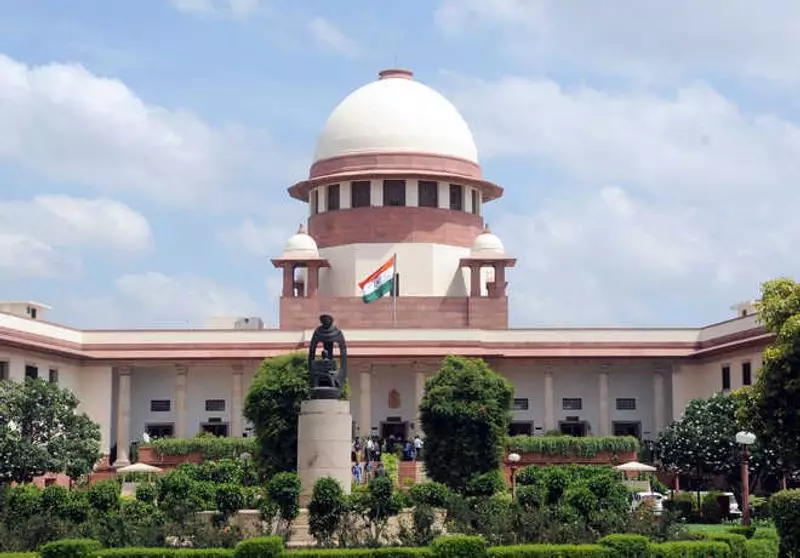
Supreme Court Delivers Split Verdict on PC Act Sanction Provision
The Supreme Court of India has issued a split verdict regarding a key provision in the Prevention of Corruption Act. This provision mandates that investigators must obtain prior sanction before probing government officials for alleged corruption. The court's decision leaves the legal status of this rule in limbo, as the judges could not reach a consensus.
Details of the Court's Ruling
In a significant development, the bench of the Supreme Court was divided in its opinion. One judge upheld the validity of the sanction requirement, arguing it protects officials from frivolous or politically motivated investigations. The other judge struck it down, stating that such a provision creates unnecessary hurdles in the fight against corruption and delays justice.
The split verdict means the issue remains unresolved at the highest judicial level. It will now likely be referred to a larger bench for a final decision. This outcome has sparked debates among legal experts and anti-corruption activists across the country.

Implications for Corruption Cases
This provision under the PC Act has been a contentious point in Indian law enforcement. Proponents believe it safeguards honest officials from harassment, while critics argue it shields corrupt individuals by making investigations more difficult. The current verdict does not provide clarity, leaving lower courts and investigative agencies in a state of uncertainty.
Legal analysts note that without a unified ruling, ongoing and future corruption cases involving government officials could face procedural delays. The requirement for sanction has often been cited as a major obstacle in prosecuting high-profile cases, leading to calls for reform.
Background and Public Reaction
The Prevention of Corruption Act was amended in recent years to strengthen anti-corruption measures. However, the sanction clause has remained a sticking point. Public opinion is divided, with some citizens supporting protection for officials and others demanding swift action against corruption.
Anti-corruption bodies have expressed disappointment over the split verdict, urging for a prompt resolution by a larger bench. They emphasize that delays in such matters undermine public trust in the judicial system and hinder effective governance.
As the Supreme Court prepares to refer the case, all eyes are on the upcoming proceedings. The final decision could reshape how corruption investigations are conducted in India, impacting thousands of cases and the accountability of public servants.






