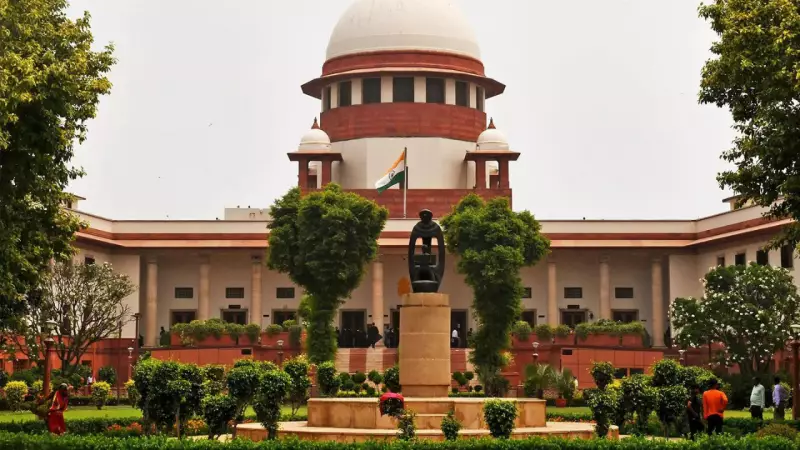
In a significant development, the Supreme Court of India on Friday intervened in the administrative tussle over the renowned Shani Shingnapur temple in Maharashtra. The apex court stayed a Bombay High Court order that had reinstated the temple's original trust, and instead appointed the Nashik Divisional Commissioner as the administrator to oversee its affairs.
Court Cites Concerns Over Fund Mismanagement
The bench, led by Chief Justice Surya Kant, expressed serious concerns about potential financial irregularities. The state government, represented by Solicitor General Tushar Mehta, argued before the court that there was gross mismanagement of funds by the erstwhile trust. Mehta highlighted startling figures, revealing that the trust employed a staggering 2,400 employees for the temple's management, with monthly expenditures exceeding Rs 2 crore on salaries and other heads. He questioned the necessity of such a large workforce, suggesting funds were being diverted.
A Timeline of Legal and Administrative Moves
The legal battle stems from the Maharashtra government's September 22 decision to appoint the Ahilyanagar District Collector as the temple trust's administrator. This move was made under the Shree Shanaishwar Devasthan Trust (Shingnapur) Act, 2018, a special law intended to ensure transparency and accountability. However, the Bombay High Court quashed this appointment on December 12, reviving the previous trust committee and ordering the handover of all properties within seven days.

The Supreme Court found the immediate handover by the Collector on the very day of the HC order problematic. "This indicates that the trustees are powerful local politicians of whom the Collector is afraid of," remarked CJI Kant. The bench noted that the trust's tenure ends on December 31 and deemed it imprudent to return control, opting instead for a bureaucrat who can be held accountable.
New Administrative Structure and Future Steps
The Supreme Court's interim order establishes a new administrative framework. While the Nashik Divisional Commissioner will serve as the administrator, he will be assisted by two judicial officers. This trio is tasked with managing the temple's affairs until further orders. The court also directed the Maharashtra government to file a status report on framing Rules for the implementation of the 2018 Act.
During the hearing, the trust's advocate, Pradnya Talekar, accused the government of politicizing the issue for electoral gains. While the court acknowledged her arguments, it prioritized the need for transparent administration of the significant public donations and the law-and-order considerations associated with the major pilgrimage site. The stay on the HC order ensures the state's appeal will be heard in detail, with the administrator model remaining in place for now.