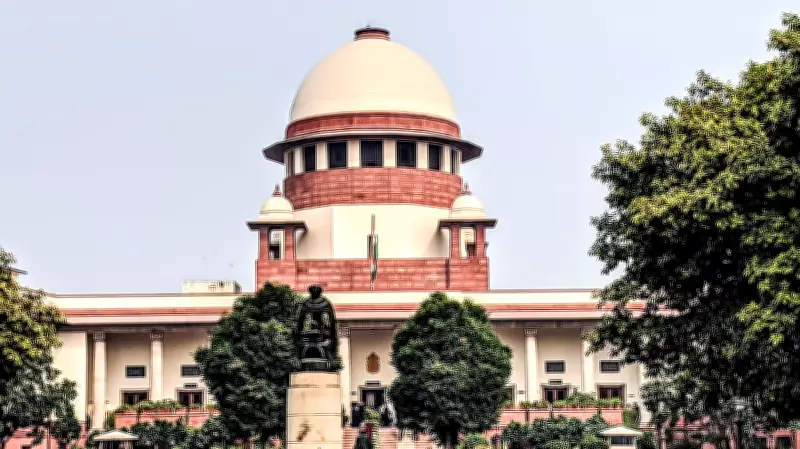
Supreme Court Condemns Stem Cell Therapy for Autism as Unethical Practice
In a landmark judgment, the Supreme Court of India has declared the use of stem cell therapy for treating autism patients as both unethical and a form of medical malpractice. The court delivered this significant ruling, highlighting serious concerns about the regulation and application of such treatments in the country.
Fragmented Legal Framework Creates Compliance Challenges
The Supreme Court found that the existing legal framework governing stem-cell research in India is highly fragmented and lacks coherence. According to the court, relevant laws and regulations are spread across multiple pieces of legislation with little harmony between them. This disjointed structure makes compliance with legal standards an uphill task for medical practitioners and researchers alike.
Furthermore, the enforcement of these regulations becomes exceptionally difficult due to the scattered nature of the legal provisions. The court emphasized that this regulatory gap contributes to the potential for misuse and unethical practices in the field of stem cell therapies.
Ethical Concerns and Patient Safety at Forefront
The ruling specifically addresses the application of stem cell treatments for autism spectrum disorders. The Supreme Court stated that promoting or administering such therapies for autism patients without robust scientific validation and regulatory approval constitutes medical malpractice. This decision aims to protect vulnerable patients and their families from unproven and potentially harmful interventions.
The court's judgment underscores the importance of adhering to established medical ethics and evidence-based practices. It serves as a warning to healthcare providers against offering stem cell treatments for conditions where their efficacy and safety have not been conclusively demonstrated through rigorous scientific research.
Implications for Medical Community and Regulatory Bodies
This Supreme Court verdict is expected to have far-reaching consequences for:
- Medical practitioners specializing in stem cell therapies
- Research institutions conducting stem cell studies
- Regulatory authorities responsible for overseeing medical treatments
- Patients and families seeking autism interventions
The court has effectively called for a more unified and comprehensive regulatory approach to stem cell research and therapy in India. This decision may prompt legislative reforms to create a more coherent legal framework that ensures patient safety while fostering legitimate scientific advancement.
The ruling represents a significant step toward establishing clearer ethical boundaries in India's rapidly evolving medical landscape, particularly concerning innovative treatments like stem cell therapy.