

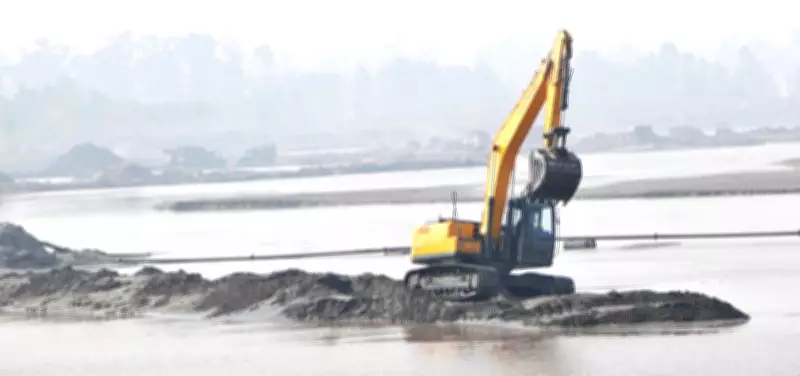
Supreme Court Initiates Suo Motu Action Against Illegal Sand Mining in National Chambal Sanctuary
The Supreme Court of India has taken a decisive step by invoking its suo motu powers to address the rampant issue of illegal sand mining within the protected confines of the National Chambal Sanctuary. This move underscores the judiciary's proactive stance in safeguarding ecologically sensitive areas from unlawful exploitation.
Legal and Environmental Implications of the Suo Motu Cognizance
By taking suo motu cognizance, the Supreme Court has demonstrated its commitment to upholding environmental laws and protecting biodiversity hotspots. The National Chambal Sanctuary, known for its critical role in conserving the endangered gharial and other wildlife, faces severe threats from unauthorized sand extraction activities. These activities not only violate statutory protections but also disrupt the fragile ecosystem of the sanctuary.
The court's intervention is expected to set a precedent for stricter enforcement of environmental regulations across similar protected areas in India. Legal experts suggest that this action could lead to enhanced monitoring mechanisms and punitive measures against those involved in illegal mining operations.

Background and Context of the Issue
Illegal sand mining has been a persistent problem in various parts of India, often linked to corruption and lax enforcement. In the case of the National Chambal Sanctuary, reports indicate that such activities have escalated, posing a direct threat to the sanctuary's ecological balance. The Supreme Court's suo motu cognizance follows growing concerns from environmental activists and local communities about the degradation caused by these unlawful practices.
The sanctuary, spanning across states like Madhya Pradesh, Rajasthan, and Uttar Pradesh, is a vital habitat for numerous species and plays a crucial role in maintaining regional biodiversity. The court's move aims to curb the environmental damage and ensure compliance with conservation laws.
Potential Outcomes and Future Steps
The Supreme Court is likely to issue directives to relevant authorities, including state governments and environmental agencies, to investigate and halt illegal sand mining in the sanctuary. This could involve:
- Strengthening surveillance and patrolling in the affected areas.
- Implementing stricter penalties for violators under environmental protection acts.
- Promoting community-based conservation initiatives to involve local stakeholders.
Additionally, the court may call for detailed reports on the extent of mining activities and their impact on the sanctuary's ecosystem. This proactive approach is seen as a significant step towards preserving India's natural heritage for future generations.






