Supreme Court to Review Himachal's Plea for Withdrawing 45 Cases Against MPs, MLAs
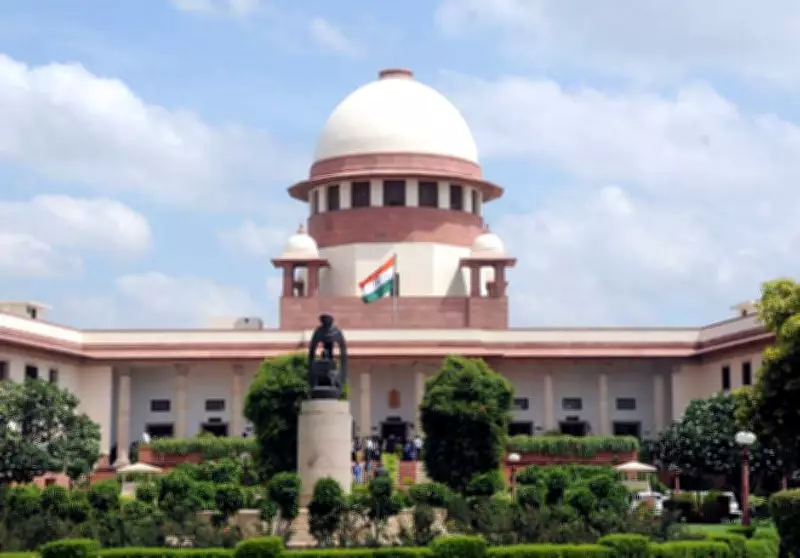
The Supreme Court of India has agreed to examine a significant petition filed by the Himachal Pradesh government, which seeks the withdrawal of 45 criminal cases lodged against sitting and former Members of Parliament and Members of the Legislative Assembly. This development marks a crucial legal battle over the withdrawal of prosecutions involving lawmakers.
Legal Proceedings and Timeline
A Bench led by Chief Justice of India Surya Kant issued a notice on Friday, responding to the state government's challenge against an April 26, 2024, order from the Himachal Pradesh High Court. The High Court had disallowed the withdrawal of these criminal cases, setting the stage for this Supreme Court intervention. The top court is scheduled to take up this matter on March 16, 2026, providing a timeline for further legal scrutiny.
The cases in question include those filed during the tenure of the previous BJP government against Congress workers. These cases stem from protests and rallies held during the Covid-19 pandemic, highlighting the political undertones of the legal disputes. The Himachal Pradesh government, represented by senior counsel V. Giri, has urged the Supreme Court to allow the withdrawal of these cases in the public interest, emphasizing that independent opinions from public prosecutors and district attorneys were sought in consultation with district magistrates and superintendents of police.
High Court's Stance and Legal Framework
The Himachal Pradesh High Court had partly allowed the Congress government's plea, permitting the withdrawal of only 15 out of the 65 cases recommended by the Home department. Notably, five cases, including one against Chief Minister Sukhvinder Singh Sukhu, were disposed of during the pendency of the petition. The High Court's refusal to allow withdrawal pertained to cases involving offences under specific sections of the Indian Penal Code and other acts.
Key legal provisions at play include:
- Section 321 of the Criminal Procedure Code, which traditionally did not require High Court permission for withdrawal of prosecution.
- The Supreme Court's 2020 verdict in the Ashwani Kumar Upadhyay vs Union of India case, which made such permission mandatory for cases involving sitting and former MLAs as accused.
This verdict clarified that public prosecutors may withdraw a prosecution not merely due to paucity of evidence but also to further the broad ends of public justice. The High Court emphasized that the power under Section 321 of the CrPC is a responsibility to be utilized in public interest, without extraneous or political considerations, and must be exercised with utmost good faith to serve larger public interests.
Implications and Broader Context
The Supreme Court's upcoming hearing on March 16 will delve into whether the withdrawal of these 45 cases aligns with legal standards and public interest. This case underscores the ongoing tensions between political actions and legal accountability, particularly in the context of pandemic-era protests. The outcome could set a precedent for how similar cases are handled across India, balancing the need for justice with considerations of public welfare and political reconciliation.
As the legal proceedings unfold, stakeholders will closely watch the Supreme Court's interpretation of the 2020 verdict and its application to the Himachal Pradesh scenario. This case not only involves individual lawmakers but also reflects broader issues of governance, legal oversight, and the intersection of politics with criminal justice in India.