Supreme Court Agrees to Hear Plea for Disability-Sensitive Insurance Guidelines
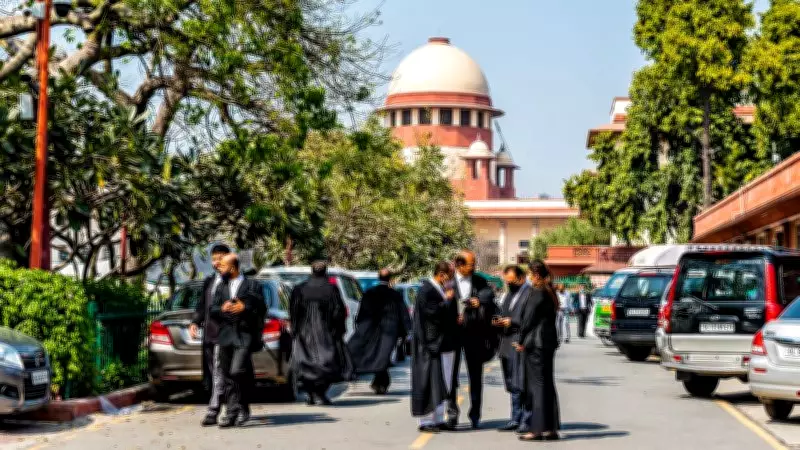
The Supreme Court of India has taken a significant step toward enhancing inclusivity in social welfare programs by agreeing to hear a plea that calls for the implementation of disability-sensitive guidelines for welfare insurance schemes. This move underscores the judiciary's commitment to addressing the unique challenges faced by persons with disabilities in accessing essential benefits.
Details of the Plea and Legal Proceedings
The plea, filed by disability rights advocates, highlights the current gaps in welfare insurance schemes that often exclude or inadequately serve individuals with disabilities. It argues that existing frameworks lack specific provisions to accommodate the diverse needs of this population, leading to systemic barriers in claiming insurance benefits.
During the hearing, the Supreme Court bench acknowledged the urgency of the matter and issued notices to relevant government bodies, including the Ministry of Social Justice and Empowerment and insurance regulatory authorities. The court emphasized the need for a comprehensive review of existing policies to ensure they align with the rights enshrined in the Rights of Persons with Disabilities Act, 2016.

Key Demands and Proposed Guidelines
The plea outlines several critical demands aimed at reforming welfare insurance schemes:
- Accessibility Measures: Implementing physical and digital accessibility features to facilitate easy enrollment and claim processes for persons with disabilities.
- Customized Coverage: Designing insurance products that cater to the specific health and livelihood risks associated with various disabilities.
- Awareness Campaigns: Launching targeted outreach programs to educate persons with disabilities about available insurance options and their rights.
- Grievance Redressal: Establishing dedicated mechanisms to address complaints and disputes related to disability claims promptly.
Advocates argue that these guidelines are essential to bridge the equity gap and empower persons with disabilities to lead more secure and dignified lives. They cite examples from international best practices where disability-inclusive insurance models have successfully improved social protection outcomes.
Implications for Social Welfare and Policy Reform
This legal development has far-reaching implications for India's social welfare landscape. If implemented, disability-sensitive guidelines could transform how insurance schemes are administered, making them more responsive to the needs of over 26 million persons with disabilities in the country, as per recent census data.
Experts note that such reforms align with global commitments, such as the United Nations Convention on the Rights of Persons with Disabilities, which India ratified in 2007. They emphasize that inclusive insurance not only promotes social justice but also contributes to economic resilience by reducing out-of-pocket expenses for healthcare and other essentials.
The Supreme Court's decision to hear this plea reflects a growing recognition of disability rights as integral to human rights. It sets a precedent for future litigation and policy interventions aimed at dismantling discriminatory practices in public welfare programs.
As the case progresses, stakeholders, including disability organizations, government agencies, and insurance providers, are expected to engage in consultations to draft actionable guidelines. The outcome could serve as a model for other sectors, encouraging a broader shift toward inclusivity in India's development agenda.