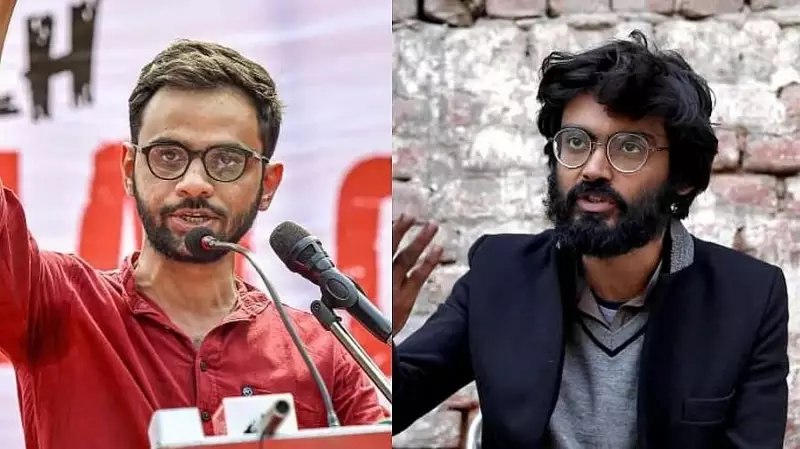
The Supreme Court of India is set to pronounce a crucial order on the bail applications of activists Umar Khalid and Sharjeel Imam, among others, on Monday, January 5, 2026. The decision, highly anticipated in legal and political circles, follows arguments presented by the defence counsel.
Defence Argument: Speeches as 'Unlawful Activities'
During the hearings, the legal counsel representing the accused put forth a key contention. They argued that the speeches made by their clients would, at most, fall under the category of "unlawful activities". This legal distinction is central to the case, as the prosecution has levelled more serious charges under stringent laws.
The defence's strategy has focused on challenging the framing of charges, suggesting that the actions cited do not meet the threshold for the offences alleged. The court's interpretation of this argument will be pivotal in its final order regarding the grant of bail.
Awaiting the Apex Court's Verdict
The nation's highest judicial authority has reserved its order, with the pronouncement now scheduled for January 5. This case has been under intense scrutiny, drawing significant public and media attention due to the high-profile nature of the individuals involved and the context of the charges.
The outcome of this bail plea is seen as a significant moment, potentially setting a precedent for similar cases. Legal experts are closely watching how the court balances the arguments for personal liberty with the gravity of the allegations presented by the state.
Implications and Next Steps
The Supreme Court's order on Monday will determine whether Umar Khalid and Sharjeel Imam will be released on bail pending the conclusion of the trial, or if they must remain in judicial custody. The decision will have immediate consequences for the accused and will also influence the ongoing legal proceedings in the lower courts.
Regardless of the verdict, the substantive trial on the main charges is expected to continue. The January 5 order is a critical interim step in a long-drawn legal battle that has become a focal point in discussions concerning dissent, lawful protest, and national security in India.