Supreme Court Upholds Conviction in Pratyusha Suicide Pact Case, Cites Abetment
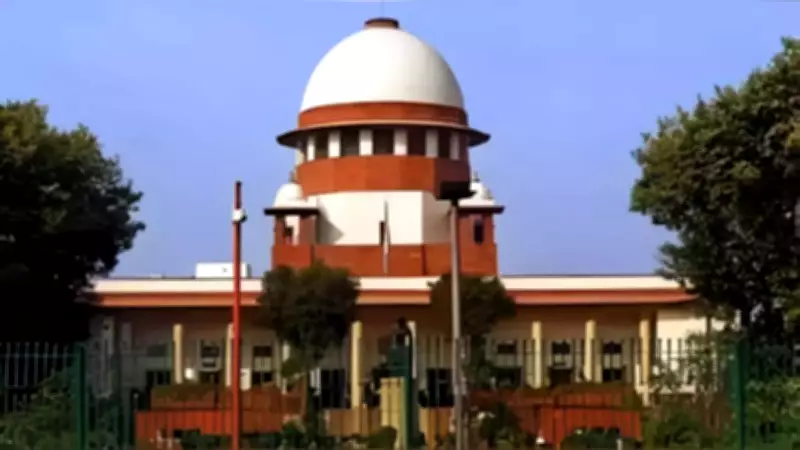
The Supreme Court of India has delivered a significant ruling in a long-standing case involving a mutual suicide pact, upholding the conviction of G Siddhartha Reddy, the boyfriend of Telugu actress Pratyusha, who died in 2002. The court emphasized that the surviving partner in such a pact must be held accountable for abetment of suicide, as their participation directly facilitates the deceased's actions.
Court's Rationale on Mutual Suicide Pacts
A bench comprising Justices Rajesh Bindal and Manmohan articulated that a suicide pact inherently involves mutual encouragement and a reciprocal commitment to die together. In this context, the survivor's role acts as a direct catalyst, making them culpable under the law. The court stated, "His participation directly facilitated the deceased's suicide. Notably, it is not his defence that the deceased was the dominant personality who pressured him into the pact. His culpability therefore stands established."
This ruling clarifies that even if both parties consent to the pact, the survivor cannot evade responsibility, as their involvement encourages the act. The bench dismissed Reddy's plea challenging his conviction, reinforcing that abetment charges apply when one person survives such an agreement.
Case Background and Legal Proceedings
The case dates back to 2002, when Pratyusha and G Siddhartha Reddy consumed poison together in an apparent suicide pact. While Pratyusha succumbed to the poisoning, Reddy survived, leading to his prosecution for abetment of suicide. Over the years, the legal battle has seen multiple appeals, culminating in this Supreme Court decision.
Key aspects of the case include:
- Mutual Agreement: Both individuals had agreed to end their lives together, which the court interpreted as a pact with shared intent.
- Survival and Liability: Reddy's survival did not absolve him of guilt, as his actions were deemed to have abetted Pratyusha's suicide.
- Legal Precedent: The ruling sets a precedent for similar cases, emphasizing that survivors in suicide pacts face legal consequences for their role.
Court's Directives and Implications
In its verdict, the Supreme Court directed G Siddhartha Reddy to surrender within four weeks to serve his sentence. This directive underscores the court's firm stance on enforcing accountability in such sensitive matters.
The implications of this ruling are far-reaching:
- Legal Clarity: It provides clear guidelines on how mutual suicide pacts are treated under Indian law, distinguishing them from individual suicides.
- Deterrent Effect: By upholding convictions, the court aims to deter individuals from engaging in or encouraging such pacts.
- Justice for Victims: The decision ensures that those who facilitate suicides, even in mutual agreements, are held responsible, offering a form of justice for the deceased and their families.
This case highlights the complexities of suicide pacts in legal frameworks, where consent does not negate criminal liability. The Supreme Court's judgment reaffirms the principle that abetment laws apply rigorously, protecting vulnerable individuals and upholding ethical standards in society.