Supreme Court Upholds Mandatory Preliminary Inquiry Before FIR for Social Media Posts
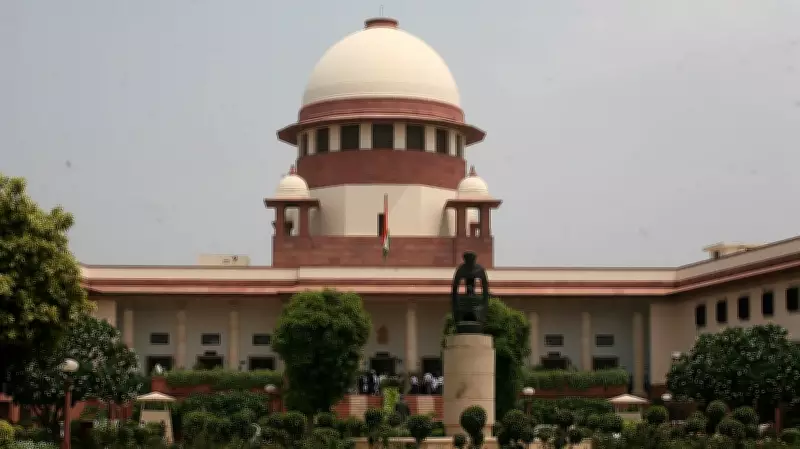
In a significant ruling aimed at safeguarding free speech, the Supreme Court of India has firmly upheld the guidelines that mandate a preliminary inquiry before the registration of a First Information Report (FIR) concerning social media posts. This decision reinforces the judicial framework established to prevent the arbitrary and mechanical filing of cases against individuals for expressing harsh, offensive, or critical political opinions online.
Bench Affirms September 2025 Judgment on Police Procedures
A bench comprising Justices J B Pardiwala and Vijay Bishnoi delivered the verdict, affirming the principles laid down in the landmark judgment dated September 10, 2025. The court emphasized that law enforcement agencies must not automatically register cases based solely on the content of social media posts that involve political discourse. Instead, a thorough preliminary inquiry is essential to assess the context and intent behind such expressions.
Key Aspects of the Upheld Guidelines:

- Police are prohibited from mechanically registering FIRs for posts deemed harsh, offensive, or critical of political figures or ideologies.
- A mandatory preliminary inquiry must be conducted to evaluate the nature and impact of the speech before any formal legal action is initiated.
- The guidelines aim to balance the right to free expression with the need to address genuine threats or incitement to violence.
- This procedural safeguard is designed to curb the misuse of criminal laws to stifle dissent or target individuals for their political views.
Implications for Digital Free Speech and Law Enforcement
The Supreme Court's decision underscores the importance of protecting democratic values in the digital age. By requiring a preliminary inquiry, the court seeks to ensure that police exercise discretion and apply legal standards judiciously, rather than acting on complaints without due diligence. This move is expected to reduce the chilling effect on free speech, where individuals might self-censor out of fear of legal repercussions for their online political commentary.
Legal experts have welcomed the ruling, noting that it provides much-needed clarity and accountability in how social media content is policed. The guidelines serve as a reminder that while hate speech and incitement must be addressed, critical political expression should not be criminalized without proper scrutiny.
The judgment, reported by Ashish Tripathi and last updated on February 6, 2026, at 04:01 IST, marks a pivotal moment in India's jurisprudence on internet freedom. It aligns with broader efforts to reform cyber laws and promote a more nuanced approach to regulating online speech, ensuring that the digital public sphere remains vibrant and open for healthy political debate.