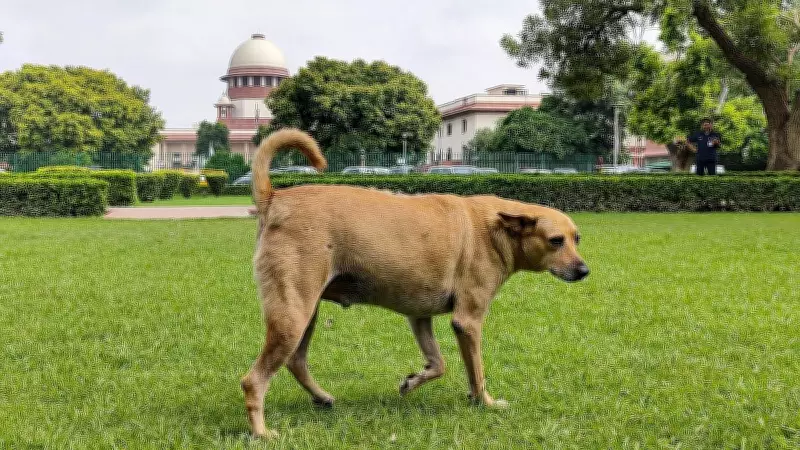
The Supreme Court on Tuesday dismissed a batch of pleas challenging the validity of standard operating procedures (SOPs) issued by the Animal Welfare Board of India (AWBI) regarding the relocation and sterilisation of stray dogs. The bench stated that it cannot remain oblivious to the harsh ground realities of human-animal conflict in the country.
Court's Observation
A division bench comprising Justices noted that the SOPs aim to strike a balance between animal welfare and public safety. The court observed that while compassion for animals is important, the safety and health of citizens cannot be ignored. The judges remarked that the issue requires a pragmatic approach rather than an idealistic one.
Background of the Case
The pleas challenged the AWBI's guidelines that allow for the relocation of stray dogs from certain areas and mandate their sterilisation to control the population. Petitioners argued that the SOPs violated the Animal Birth Control (Dogs) Rules, 2001, and the Prevention of Cruelty to Animals Act, 1960. They contended that relocation often leads to the death of animals in unfamiliar territories.

Government's Stand
The central government and the AWBI defended the SOPs, stating that they are necessary to address the rising incidents of dog bites and rabies. They submitted that the guidelines are based on expert recommendations and aim to manage the stray dog population humanely.
Key Points of the SOPs
- Sterilisation of stray dogs as the primary method of population control.
- Relocation only in exceptional cases where dogs pose an immediate threat to public safety.
- Involvement of local animal welfare organisations in the process.
- Mandatory vaccination and identification of sterilised dogs.
Implications of the Verdict
The dismissal of the pleas means the SOPs will remain in force across the country. Animal rights activists expressed disappointment, while resident welfare associations welcomed the decision, citing safety concerns. The court's ruling reinforces the need for a balanced approach that considers both animal welfare and human safety.
The Supreme Court's decision is expected to guide future policies on stray animal management in India, emphasising the importance of sterilisation and responsible relocation.