

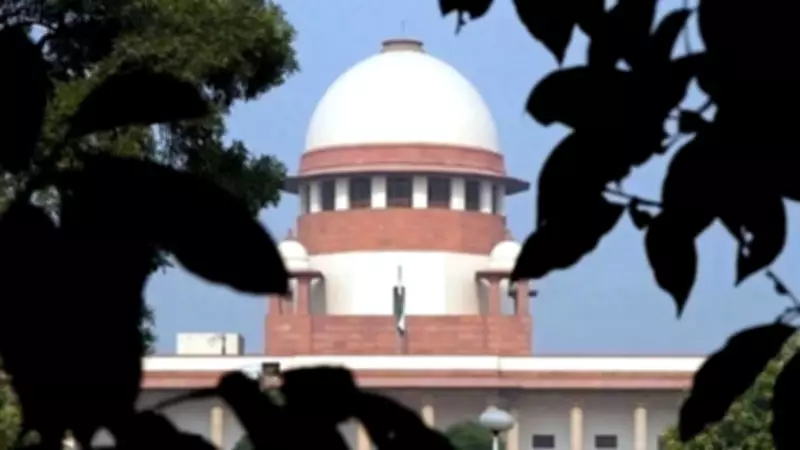
Supreme Court Mandates Urgent Cases Be Mentioned Only Before CJI-Led Bench
In a significant clarification of judicial procedure, the Supreme Court of India has reaffirmed that urgent matters must be mentioned exclusively before the bench led by the Chief Justice of India (CJI). This directive underscores the established practice within the apex court, ensuring streamlined handling of pressing legal issues.
Standard Protocol for Urgent Listings
According to the usual protocol, when the Chief Justice of India is either unavailable or occupied with heading a constitution bench, urgent cases are to be mentioned for listing and hearing before the seniormost judge of the Supreme Court. This practice aims to maintain efficiency and order in the court's operations, preventing delays in critical judicial matters.
The clarification comes as part of ongoing efforts to standardize procedures and enhance transparency within India's highest judicial body. It reinforces the hierarchy and authority of the CJI in managing the court's docket, particularly for time-sensitive cases that require immediate attention.

Implications for Legal Proceedings
This ruling has several key implications for legal practitioners and litigants:
- Streamlined Process: By centralizing urgent mentions under the CJI-led bench, the court reduces confusion and ensures a consistent approach to prioritizing cases.
- Enhanced Efficiency: The practice helps in faster resolution of urgent matters, as the seniormost judge can make prompt decisions on listings when the CJI is engaged elsewhere.
- Judicial Discipline: It upholds the structural integrity of the Supreme Court, emphasizing the role of seniority and leadership in case management.
This development is part of broader judicial reforms aimed at improving access to justice and operational effectiveness in India's legal system. It aligns with global best practices where supreme courts often have specific protocols for handling urgent appeals to prevent backlogs and ensure timely justice delivery.
As the Supreme Court continues to adapt to evolving legal challenges, such procedural clarifications are crucial for maintaining public trust and upholding the rule of law. Legal experts have welcomed this move, noting it could lead to more predictable and orderly court proceedings, especially in high-stakes or emergency situations.






