

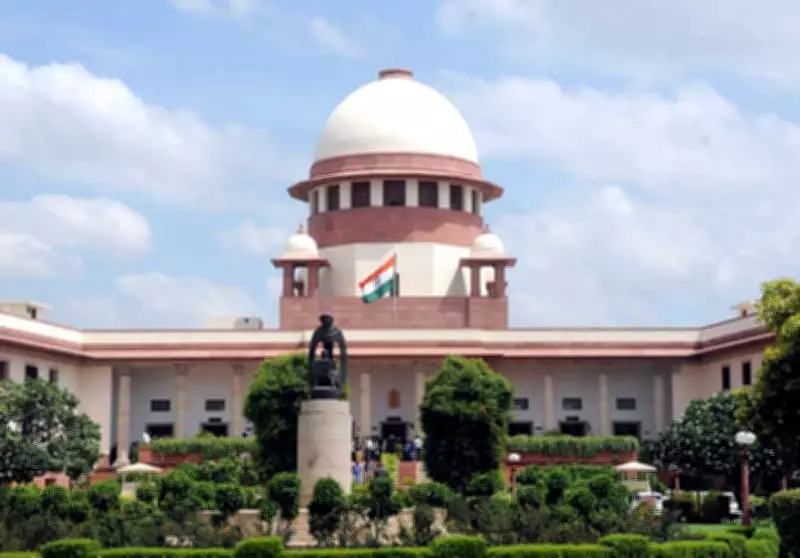
Supreme Court Urges Punjab & Haryana High Court to Relax 45% Marks Condition for SC Judicial Candidates
The Supreme Court of India has issued a significant directive to the Punjab and Haryana High Court, urging it to consider relaxing the stringent 45% minimum marks condition for Scheduled Caste (SC) candidates in the civil judge examination. This move aims to address concerns over representation and fairness in judicial recruitment processes, potentially impacting future selections for judicial posts in the region.
Background of the Judicial Recruitment Issue
The controversy stems from the eligibility criteria set by the Punjab and Haryana High Court for the civil judge exam, which mandates a minimum of 45% marks for all candidates, including those from SC categories. This requirement has been criticized for potentially disadvantaging SC candidates, who may face systemic barriers in education and access to resources. The Supreme Court's intervention highlights ongoing debates about balancing merit with affirmative action in public service appointments.
Supreme Court's Directive and Its Implications
In its ruling, the Supreme Court emphasized the need for the High Court to review and possibly relax the 45% marks threshold specifically for SC candidates. This directive is based on constitutional principles of social justice and equality, as enshrined in India's legal framework. By urging a reconsideration, the Supreme Court seeks to ensure that recruitment policies do not inadvertently exclude qualified individuals from marginalized communities, thereby promoting diversity in the judiciary.

- The 45% minimum marks condition may be overly restrictive for SC candidates.
- Relaxation could help achieve better representation of SC communities in judicial roles.
- The High Court is encouraged to align its policies with broader social justice goals.
Potential Outcomes and Broader Context
If the Punjab and Haryana High Court adopts the Supreme Court's suggestion, it could lead to revised eligibility criteria for future civil judge exams, making them more inclusive. This case is part of a larger national conversation about reservation policies and meritocracy in India, with similar issues arising in other states and sectors. Experts note that such relaxations must be carefully implemented to maintain standards while advancing social equity.
Impact on Judicial Recruitment and Future StepsThe Supreme Court's urging is expected to prompt the High Court to conduct a thorough review of its recruitment rules. Stakeholders, including legal professionals and civil society groups, are closely monitoring the situation, as any changes could set precedents for other high courts and public service exams across India. This development underscores the judiciary's role in shaping inclusive policies that reflect India's diverse societal fabric.






