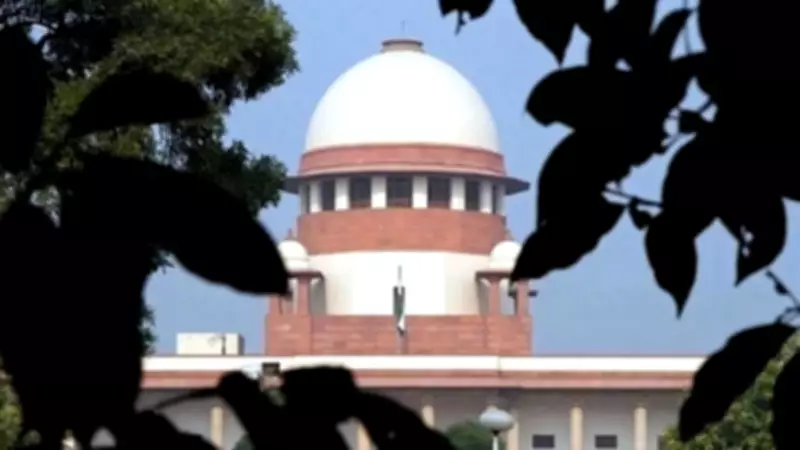
Supreme Court Advocates for Settlement in Tamil Nadu Crematorium Case
The Supreme Court of India has issued a directive urging all involved parties to actively explore the possibility of reaching an amicable settlement in a contentious legal dispute concerning the location of a crematorium situated in close proximity to a residential dwelling house in the state of Tamil Nadu. This judicial intervention underscores the court's preference for resolving such sensitive community issues through dialogue and mutual agreement rather than prolonged litigation.
Legal Arguments and Gram Panchayat Licensing
During the court proceedings, Senior Advocate Prashant Bhushan, representing the petitioners, presented a compelling argument that has become central to this case. Bhushan emphatically submitted that, according to established legal principles and local regulations, there should not be a crematorium or burial ground located near a place of dwelling or a water body unless a formal licence has been explicitly issued by the competent local authority, which in this context is the gram panchayat.
This submission highlights a critical regulatory gap and raises significant public health and environmental concerns. The absence of proper licensing and oversight for such facilities can lead to disputes over land use, potential contamination of water sources, and disturbances to the peaceful enjoyment of residential properties by nearby inhabitants.

Broader Implications for Urban Planning and Community Harmony
The case brings to the forefront the ongoing challenges in urban and rural planning across India, where rapid development often clashes with traditional practices and community sensitivities. Crematoriums and burial grounds are essential civic amenities, yet their placement requires careful consideration to balance respect for cultural and religious rites with the rights and well-being of local residents.
The Supreme Court's call for settlement exploration is seen as a pragmatic approach, aiming to foster community dialogue and potentially set a precedent for resolving similar disputes nationwide. It emphasizes the judiciary's role in not only interpreting the law but also in facilitating harmonious solutions that address the root causes of conflict.
As the parties now engage in settlement discussions, the outcome of this case could influence future policies on the zoning and licensing of such facilities, ensuring they are established with proper approvals and in locations that minimize conflict with residential areas and environmental safeguards.