

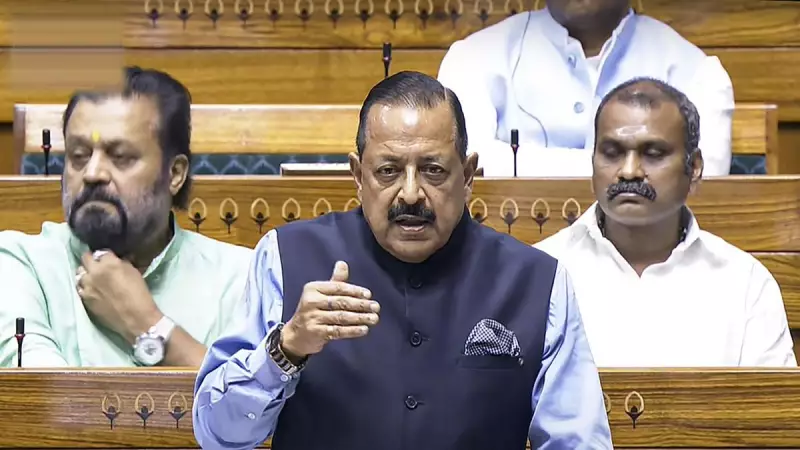
The Union government, led by Home Minister Amit Shah, took a significant legislative step on Tuesday, December 16, 2025, by introducing the Shanti Bill in the Lok Sabha. The proposed legislation, officially titled The Maintenance of Peace and Harmony Bill, 2025, aims to establish a comprehensive legal framework to preserve public order and foster social cohesion across the nation.
Core Objectives of the Shanti Bill
The bill's primary goal is to proactively prevent activities that could disrupt peace and communal harmony. It seeks to empower authorities to take decisive action against individuals or groups involved in spreading hatred, inciting violence, or creating situations that threaten public tranquility. The legislation is designed to be a preventive tool, aiming to stop conflicts before they escalate and to hold perpetrators accountable through a structured legal process.
Another key objective is to promote a culture of dialogue and understanding among diverse communities. The bill's provisions are framed not just for punitive measures but also to encourage mechanisms for conflict resolution and the strengthening of social bonds. The government has emphasized that the law is intended to protect all citizens and ensure a stable environment conducive to national progress.

Key Provisions and Legal Framework
The Shanti Bill outlines specific provisions to achieve its aims. It includes clear definitions of actions considered detrimental to peace and harmony, such as making statements or committing acts that promote enmity between different groups on grounds of religion, race, caste, or language. The bill proposes to grant designated authorities the power to issue restraining orders, conduct preventive detentions under defined circumstances, and initiate speedy legal proceedings.
A notable provision involves the establishment of special fast-track courts or tribunals to handle cases registered under this act. This is intended to ensure swift justice and deter potential offenders. Furthermore, the bill outlines stringent penalties, including imprisonment and fines, for those found guilty of serious offences that lead to large-scale violence or loss of life.
Context and Expected Impact
The introduction of this bill follows the government's stated commitment to a zero-tolerance policy towards forces that seek to divide society. Home Minister Amit Shah, while presenting the bill, highlighted the need for a robust legal instrument to address contemporary challenges to internal security and social fabric. The bill is now set for detailed discussion and scrutiny by a parliamentary standing committee, which will examine its clauses and potentially suggest amendments.
Legal experts anticipate that the bill will spark extensive debate in Parliament and among civil society regarding the balance between state power and individual freedoms. Proponents argue that it fills a critical gap in the legal arsenal for maintaining order, while critics may express concerns over potential misuse. The bill's journey through Parliament and its final form will be closely watched, as it seeks to shape the legal landscape for maintaining public peace in India for years to come.






