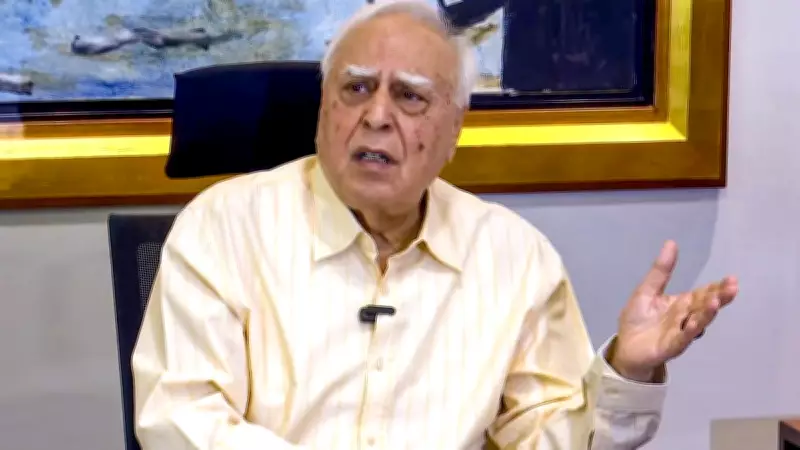
Kapil Sibal Calls for Supreme Court Intervention to Reform Arrest Procedures
Senior advocate and former Union minister Kapil Sibal has made a significant plea to the Supreme Court of India, urging it to direct the government to amend existing laws. The proposed reform aims to ensure that arrests are made only after a magistrate has reviewed both oral and documentary evidence that justifies the action. This move seeks to strengthen legal safeguards and prevent arbitrary detentions.
Details of the Legal Proposal
In his submission, Sibal emphasized the need for a judicial check on arrest powers. He argued that requiring magistrates to examine evidence before approving arrests would enhance transparency and accountability in law enforcement. This process would involve presenting detailed documentation and witness statements to a magistrate, who would then assess whether there is sufficient cause to proceed with an arrest.
The senior advocate highlighted that current practices often lead to premature or unjustified arrests, which can have severe consequences for individuals' rights and reputations. By mandating this evidence review, the reform aims to protect citizens from potential abuses of power and ensure that arrests are based on solid legal grounds.

Potential Impact on Legal Framework
If implemented, this directive could lead to significant changes in India's criminal justice system. It would require amendments to various laws, including the Code of Criminal Procedure, to incorporate the evidence review requirement. Legal experts suggest that this could reduce the number of wrongful arrests and improve public trust in law enforcement agencies.
The proposal comes amid ongoing discussions about legal reforms and human rights protections in India. Sibal's call aligns with broader efforts to modernize the judicial process and ensure that fundamental rights are upheld during criminal investigations.
Context and Reactions
This development follows recent debates on police powers and arrest procedures in India. Advocates for legal reform have long argued for stricter oversight to prevent misuse of arrest authority. Sibal's plea to the Supreme Court is seen as a step towards addressing these concerns through judicial guidance.
Reactions from the legal community have been mixed, with some praising the initiative as a necessary safeguard, while others question its practicality in fast-paced investigations. However, the core idea of requiring magistrate evidence review before arrests has gained attention as a potential measure to balance law enforcement needs with individual rights.
As the Supreme Court considers this proposal, stakeholders await further developments that could shape the future of arrest protocols in India, aiming for a more just and equitable legal system.