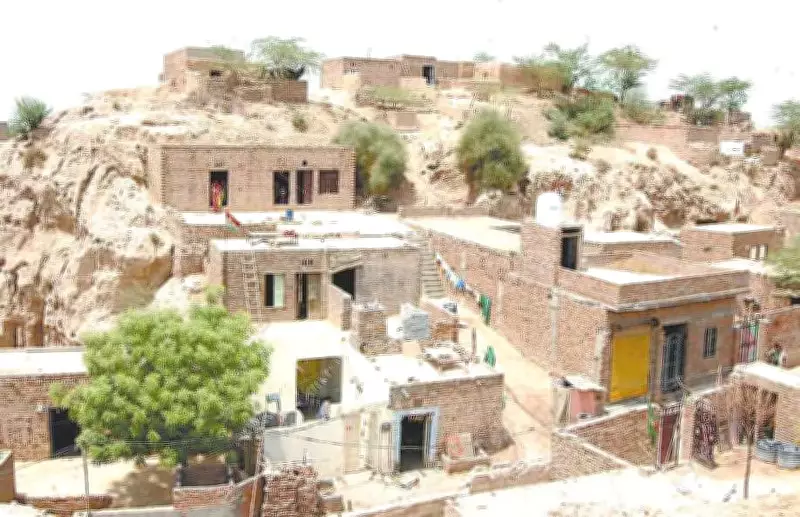
Ancient Mound Becomes Centre of Dispute
Hidden beneath the bustling streets of Sirsa lies a story that stretches back more than a thousand years. The city’s famous “Thehad” (ancient mound) is believed to be one of the oldest habitation sites in north India, carrying traces of a civilisation that flourished centuries ago.
Historians and local traditions link the origin of Sirsa to Raja Saras, who is believed to have established a fortified settlement here in the sixth century. The city is said to have been named after him and prospered for centuries along the banks of the ancient Saraswati river. Today, two large mounds on Rania Road are considered remnants of that ancient settlement. Local historians believe the larger mound once housed a fort, while the smaller one was occupied by common residents. Over time, floods, earthquakes and natural erosion are believed to have buried the remains beneath layers of soil.
Archaeological Significance
Archaeological findings from the site, including seals, inscriptions and stone relics written in ancient scripts, suggest that Sirsa was an important centre of habitation. Similar mounds found in nearby villages such as Nakora, Kariwala and Banawali indicate that the region once supported a large population along the Saraswati basin.

In March 2025, Congress MP Kumari Selja wrote to Union Tourism and Culture Minister Gajendra Singh Shekhawat, demanding a fresh survey of the protected mound area. She questioned how the Archaeological Survey of India’s (ASI) claim expanded from 35 acres, identified in an earlier survey, to 85.5 acres in later records. According to Selja, nearly 20,000 to 25,000 people living in around 5,000 houses across six municipal wards face uncertainty because of the disputed land measurements. She urged the authorities to conduct a joint survey involving ASI officials, state government representatives and local historians to determine the actual extent of the protected site.
Promises Unfulfilled for a Decade
The issue traces back to 2017, when the administration cleared about 35 acres of land on the mound and demolished structures built there. Around 743 displaced families were shifted to Housing Board flats in Sirsa. Nearly a decade later, many of these families are still waiting for the 100-square-yard residential plots that they say were promised by the then Manohar Lal Khattar government.
The residents of the Housing Board flats complain of poor living conditions, including choked sewer lines, irregular drinking water supply, inadequate sanitation and a lack of basic amenities. “We were promised plots, but the promise remains unfulfilled. Children are falling sick and people are suffering due to poor facilities,” said Raj Kumar, one of the displaced residents.
Heritage vs. Livelihood
For Sirsa, the Thehad remains more than an archaeological site. It is a symbol of the city’s ancient heritage and a reminder of the unresolved struggles of hundreds of families still waiting for rehabilitation.