

SIT Moves High Court to Overturn Bail in Sabarimala Gold Theft Case
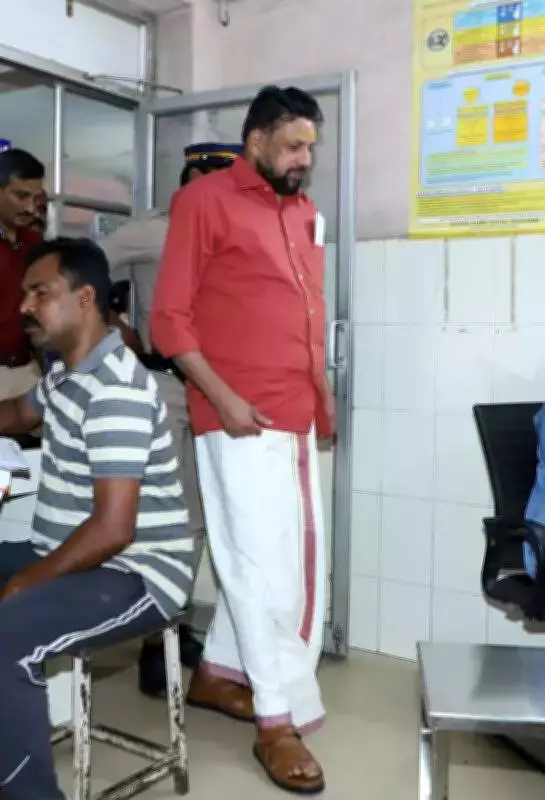
The Special Investigation Team (SIT) probing the sensational gold heist at the revered Sabarimala temple has taken a decisive legal step by approaching the Kerala High Court. The team is seeking to quash the bail order granted to Kandararu Rajeevararu, the temple's tanthri (chief priest) and a key accused in the case. The SIT has also requested the expunging of adverse remarks made by the lower court against their investigation, arguing these observations are unwarranted and could prejudice the ongoing probe.
Background of the Case and Arrest
Rajeevararu was arrested on January 16 in connection with two cases involving the alleged misappropriation of gold from the temple. The theft reportedly involved gold-clad copper plate coverings of the dwarapalaka idols and other valuable artefacts from the sreekovil (sanctum sanctorum). After spending over a month in custody, he was granted bail by the Enquiry Commissioner and Special Judge (Vigilance) in Kollam on February 18.
Court's Bail Observations and SIT's Counterarguments
In granting bail, the special court noted that the allegation of criminal conspiracy against Rajeevararu lacked prima facie supporting material at that stage of the investigation. The court further stated that no evidence had been presented to establish a direct nexus between the tanthri and the first accused, Unnikrishnan Potti, beyond a general claim of a close relationship.

The SIT's petition to the High Court strongly challenges these observations. The investigative team has pointed to specific facts they believe indicate Rajeevararu's involvement in the crime. According to their submission, the request made by the tanthri for replating the copper plate coverings and the proposal submitted by Potti for the same work were both typed and generated from the same computer in the temple executive officer's office, suggesting coordination.
Additional Allegations and Evidence Presented
The SIT further alleges that despite knowing the artefacts were gold-clad, Rajeevararu signed a mahazar (inventory document) describing them merely as copper plates. Investigators also highlight that Rajeevararu served as tanthri at Sabarimala in 1998 when the gold cladding work originally began, meaning he was fully aware of their valuable nature and that such items should not be transported outside temple premises.
In a significant development, the SIT has revealed that the tanthri allegedly had crores of rupees invested illegally with a private firm. The team asserts that further investigation is underway to uncover more details about his purported illegal enrichment, suggesting financial motives behind the alleged theft.
Legal Proceedings and Next Steps
The Kerala High Court is scheduled to consider the SIT's petition next week. This legal battle represents a critical juncture in the high-profile investigation, which has drawn widespread attention due to the sacred nature of the temple and the substantial value of the stolen items. The outcome could significantly impact the direction and credibility of the probe into one of Kerala's most prominent temple theft cases.






