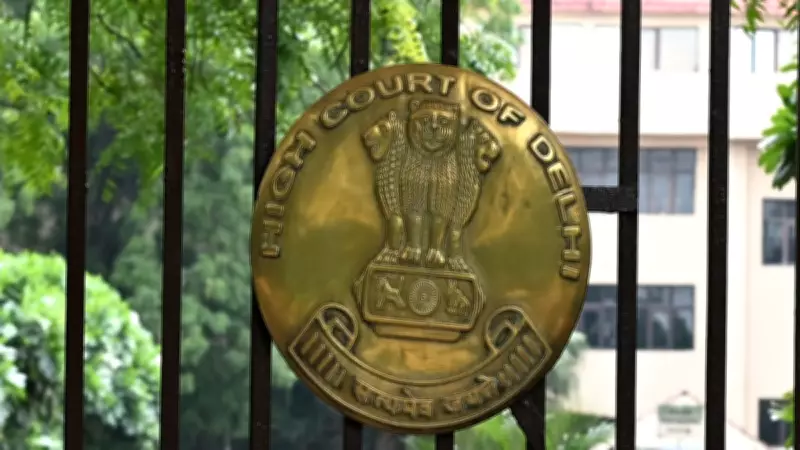
The Delhi High Court has issued a strong warning that social media cannot be used to malign the judiciary, emphasizing that platforms are not silent spectators. The court's observation came during a hearing on a petition seeking action against certain social media posts allegedly scandalizing the judiciary.
Court's Stance on Social Media Accountability
Justice Prathiba M. Singh, presiding over the case, remarked that social media platforms have a responsibility to ensure their services are not misused to undermine the authority of the judiciary. The court noted that while freedom of speech is a fundamental right, it cannot extend to statements that scandalize or lower the dignity of the judicial system.
Platforms Must Act Responsibly
The High Court directed that social media intermediaries must take proactive steps to remove content that is contemptuous of the judiciary. It stated that these platforms cannot claim neutrality or act as passive carriers of such content. The court emphasized that intermediaries have obligations under the Information Technology Act and must comply with legal frameworks to prevent misuse.

Petitioner's Arguments
The petitioner, a lawyer, brought to the court's attention several social media posts that allegedly made baseless allegations against judges and the judiciary. The petitioner argued that such content erodes public trust in the judicial system and amounts to contempt of court. The court agreed that malicious attacks on the judiciary cannot be tolerated.
Legal Precedents and Framework
The Delhi HC referred to earlier judgments that established the limits of free speech in relation to the judiciary. It reiterated that criticism of the judiciary must be fair and reasonable, and not amount to a personal attack or scandalization. The court also highlighted the role of the Contempt of Courts Act, 1971, in protecting the judiciary from unwarranted attacks.
Directions for Social Media Platforms
The court directed social media platforms to take down any content that prima facie appears to be contemptuous within 24 hours of being notified. It also asked the government to consider issuing guidelines for intermediaries to deal with such content effectively. The matter is scheduled for further hearing next month.
This ruling underscores the judiciary's commitment to protecting its integrity in the digital age, where social media can amplify harmful content rapidly. The court's message is clear: platforms must be vigilant and accountable, not silent spectators.