

Law Student Stands Firm Against University Pressure to Remove Critical Article
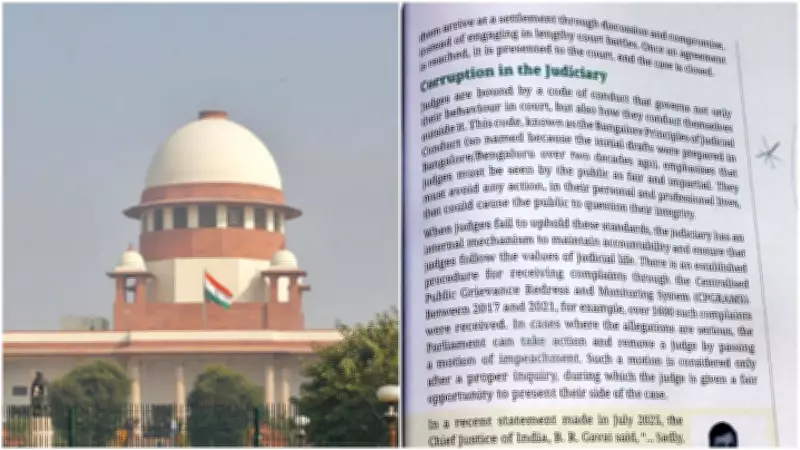
In a significant development highlighting tensions between academic freedom and institutional pressures, a law university in India has reportedly asked one of its students to take down an article that was critical of the Supreme Court. This request came amid the ongoing controversy surrounding the National Council of Educational Research and Training (NCERT) chapter row, which has sparked widespread debate in educational and legal circles.
University's Directive Under External Pressure
According to sources, the university's administration acted under pressure from lawyers and judges who expressed concerns about the student's article. The article, which critiques the Supreme Court's role or decisions in the context of the NCERT issue, was deemed controversial by these external parties. The university subsequently instructed the student to remove the piece from public platforms, citing potential repercussions and the need to maintain institutional harmony.
The student, however, has firmly refused to comply with this directive. In a bold statement, the law student questioned the university's actions, asking, "How can the university kowtow to such external pressures?" This refusal underscores a growing debate over the limits of academic expression and the influence of external entities on educational institutions.

Broader Implications for Academic Freedom
This incident raises critical questions about the autonomy of universities and the protection of free speech within academic settings. The NCERT chapter row, which involves revisions or controversies in educational materials, has already been a hot-button issue, and this student's article adds another layer to the discourse. Legal experts and academics are now weighing in on whether universities should shield students from external interference or if they have a duty to regulate content that might be seen as contentious.
The student's stance has garnered attention from various quarters, with some praising the courage to challenge authority and others cautioning about the potential legal and professional consequences. As the situation unfolds, it highlights the delicate balance between upholding institutional reputation and fostering an environment where critical thinking and dissent are encouraged.
What's Next in This Standoff?
As of now, the university has not publicly commented on whether it will take further action against the student. The law student remains resolute, emphasizing the importance of academic integrity and the right to express opinions without fear of retribution. This case could set a precedent for how similar situations are handled in the future, particularly in the context of India's legal and educational frameworks.
Observers note that the outcome may influence policies on student publications and external pressures in universities across the country. With the NCERT row continuing to simmer, this incident adds fuel to the fire, prompting discussions on governance, freedom of expression, and the role of educational institutions in a democratic society.






