Himachal Village Mourns as Supreme Court Allows Passive Euthanasia for Comatose Man
A profound and somber atmosphere has enveloped Paleta village in Himachal Pradesh's Kangra district as medical professionals initiate the withdrawal of life support systems from 32-year-old Harish Rana. This significant development follows a landmark ruling by the Supreme Court of India that granted permission for passive euthanasia, marking the conclusion of a 13-year vigil for the Rana family.
A Community United in Grief
In the close-knit community of approximately 1,600 residents located in the Jaisinghpur sub-division, neighbors describe a "strange sadness" permeating the village. Harish Rana, once a vibrant and active student, has remained in a persistent vegetative state since suffering catastrophic brain injuries in a tragic fall from a fourth-floor building in Chandigarh back in 2013.
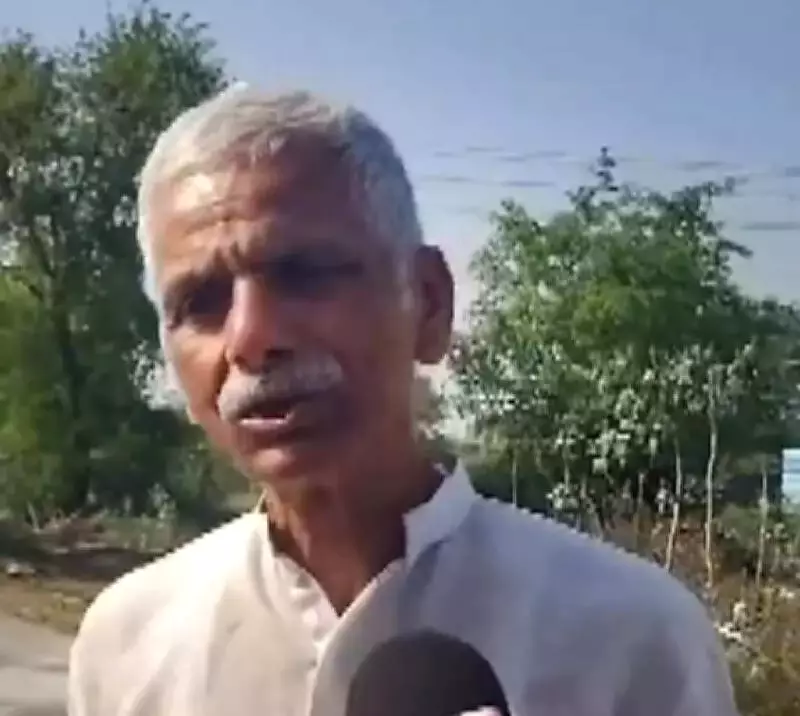
"Harish was a nice child," expressed Rima Kumari, the Pradhan (village head) of Sari panchayat. "He used to visit Paleta with his family quite frequently, even after they had settled in the city. We were aware he was in a coma, but this news has left us saddened in a manner that is challenging to articulate. We understand this decision ends his prolonged suffering, yet it remains profoundly difficult to witness someone depart in this way."

Thirteen Years of Unwavering Devotion
The Rana family originally moved from Paleta village in the early 2000s seeking employment opportunities, eventually establishing their residence in Ghaziabad near Delhi. Despite this relocation, they maintained their ancestral home and deep-rooted connections to their village community. Harish's father, Ashok Rana, worked diligently in the hotel industry while simultaneously providing continuous around-the-clock care for his son throughout this extended period.
Raj Kumar Rana, the Vice-Pradhan and a family neighbor, commended the father's extraordinary dedication: "We deeply respect the manner in which Ashok Rana cared for his son for thirteen long years and fought tirelessly for him. It is profoundly tragic how fate turned so cruel against them. Our village represents a community where everyone knows each other intimately; feeling this loss collectively is completely natural and expected."
Establishing a Legal Precedent
The Supreme Court's historic order dated March 11, 2026, permitted the withdrawal of artificial life support after comprehensive medical evaluations and consultations with the parents confirmed there existed no reasonable hope for recovery. Under established Indian legal frameworks, passive euthanasia specifically involves:
- The intentional withdrawal of medical treatment or life-sustaining measures
- Applied to terminally ill patients in permanent vegetative states
- With the explicit intent to allow natural death processes to occur
Local administrative officials have indicated their intention to formally meet with the grieving family to express official condolences when they return to their ancestral village. The narrative of Harish Rana—transitioning from a vibrant student to spending over a decade in medical shadows—now reaches its solemn conclusion as his family chooses the compassionate path of natural departure over continued mechanical existence.
This case establishes significant legal and ethical precedents regarding end-of-life decisions in India, potentially influencing future medical and judicial considerations across the nation while highlighting the complex emotional landscapes families navigate in such profoundly challenging circumstances.