

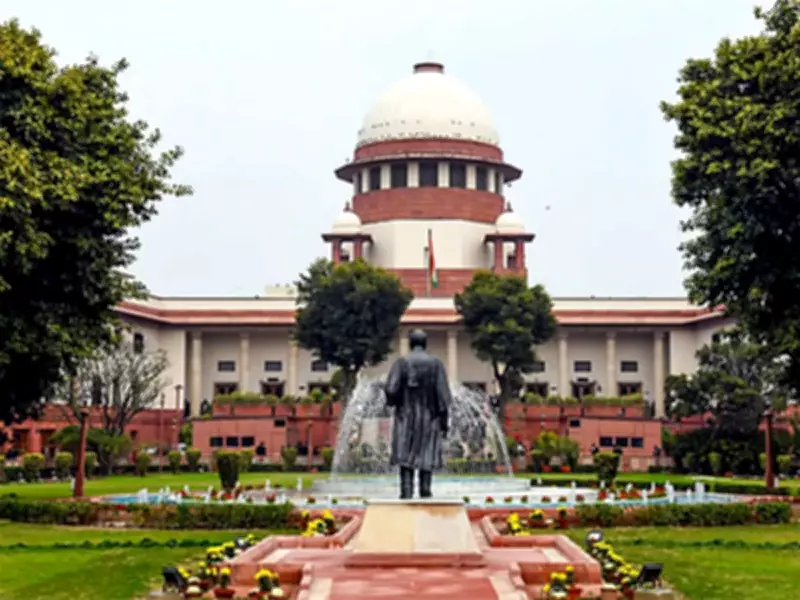
Supreme Court Declines to Interfere with Orissa High Court's Grant-in-Aid Ruling
In a significant legal development, the Supreme Court has delivered a setback to the Odisha state government by refusing to intervene in a series of orders from the Orissa High Court. These orders granted eligibility for full grant-in-aid under the GIA Order of 1994 to employees of aided educational institutions across the state.
Bench Dismisses State Government's Appeals
A two-judge bench of the apex court, comprising Justice J K Maheswari and Justice Atul S Chandurka, issued an order on March 25, dismissing Special Leave Petitions filed by the state government. These petitions challenged the high court's landmark ruling from March 19, 2025, as well as appeals from private parties involved in the case.
The Supreme Court emphasized that the high court's direction was completely in consonance with the reasoning provided, and it saw no grounds to take a different view. The bench noted that numerous similar petitions, approximately 60 in number, had already been dismissed previously, reinforcing the consistency of this legal stance.

Background of the High Court Judgment
In the pivotal high court judgment delivered by Justice Biraja Prasanna Satapathy on March 19, 2025, it was held that unaided schools, girls' schools, higher secondary schools, and colleges could not be denied the benefits of the GIA Order, 1994. This applied if their cases had been duly recommended by the concerned directorates before the scheme was repealed.
The GIA Order, 1994, originally provided for full salary grants to eligible teaching and non-teaching staff in private educational institutions. However, it was repealed on February 5, 2004, and replaced with a new order that limited the grant to partial assistance, sparking ongoing legal disputes.
Court Directives and Implications
Justice Satapathy, while adjudicating over 100 appeals stemming from orders of the State Education Tribunal, upheld decisions that allowed grant-in-aid claims and set aside those that rejected them. He directed state authorities to extend the benefits under the 1994 order and complete the entire verification exercise within six months.
The Supreme Court agreed with this approach, stating that the discretion had been rightly left to the state to assess each case based on verification and relevant court orders. Even after a detailed hearing with the state's advocate general, Pitambar Acharya, the court found no compelling reasons to revisit its earlier stance.
Resolution and Future Steps
Consequently, the appeals filed by the state government were dismissed, while those from private individuals were disposed of with directions to follow the high court's framework. Since the matters had been pending before the apex court, it further directed that the verification exercise be completed by the state within six months from the date of its order.
This ruling brings closure to a long-running dispute that has affected numerous grant-in-aid claims in Odisha. It is likely to impact a significant number of employees in educational institutions, ensuring they receive the full salary benefits as originally intended under the 1994 order.
The decision underscores the judiciary's role in upholding the rights of educational staff and sets a precedent for similar cases in the future, reinforcing the importance of timely recommendations and adherence to legal frameworks in grant-in-aid schemes.






